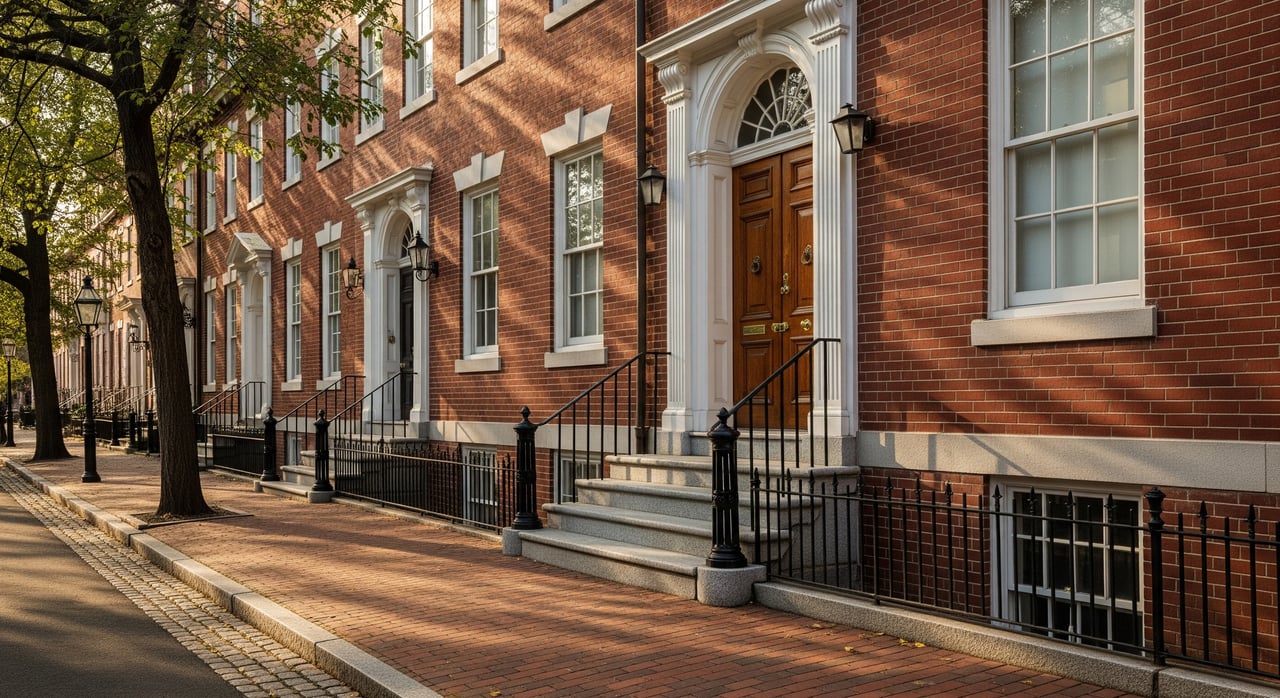
Thinking about replacing windows, rebuilding a porch, or adding a driveway on Providence’s East Side? If your home sits in a local historic district, you will likely need a review before work begins. It can feel complex the first time you encounter it, especially on College Hill, Wayland, or Blackstone. This guide explains what triggers review, how the process works, typical timelines, and how to prepare so your project moves forward smoothly. Let’s dive in.
What historic status means
Local historic districts in Providence are governed by the City’s Historic District Commission, often called the HDC. Local designation is what gives the City authority to review exterior changes that are visible from public ways.
Listing on the National Register of Historic Places is an honor, but it usually does not restrict what a private owner can do unless federal or state funding, permits, or tax credits are involved. State registers work similarly, with rules tied to state programs and funding.
When the HDC reviews a proposal, it focuses on preserving the historic and architectural character of the district. Reviews consider scale, materials, and visual impact from the street, and they often reference the Secretary of the Interior’s Standards for Rehabilitation or locally adopted design guidelines.
When reviews are required
You should expect review for exterior changes that affect elevations visible from a public street or sidewalk. Common triggers include:
- Demolition of a contributing building or character-defining feature.
- New construction or additions that change the building’s massing or roofline.
- Significant changes to porches, steps, windows, doors, siding, or roofing.
- Some fences, walls, signage, lighting, and driveway alterations visible from the street.
Minor, in-kind repairs are often treated differently from replacements or material changes. Policies around paint can vary by district. When in doubt, ask HDC staff before you start.
How Providence reviews work
Most projects result in a Certificate of Appropriateness, often called a COA, when approved. The process generally follows this sequence:
Pre-application staff consultation. This early conversation helps you understand whether staff can approve your project administratively or if a full hearing is likely.
Submit your application by the published deadline. Include complete documentation to avoid delays.
Administrative review or public hearing. Clear, low-impact work can often be approved by staff. More complex or visible changes go to a public HDC meeting.
Decision and conditions. Approvals may include conditions on materials, details, or mock-ups. If denied, you can revise and resubmit.
Building permits. HDC approval does not replace building, electrical, plumbing, or zoning permits. Coordinate with other departments after you receive your COA.
What to submit
A complete, well-organized package will save time. Applications commonly include:
- Completed application form and fee.
- Current photos of all street-visible elevations, plus context photos of adjacent properties.
- Site plan with lot lines, setbacks, and scope of new work.
- Scaled existing and proposed elevations and sections.
- Material samples and product data (window cut sheets, roofing, cladding, rail profiles).
- Paint color chips if your district requires color review.
- Contractor or architect contact information and relevant licensing or insurance.
- A concise narrative that explains the scope and why it meets the guidelines.
Plan your timeline
There are two clocks to manage: HDC review and municipal permits. Keep these expectations in mind:
- Administrative approvals can resolve in days to a few weeks.
- Projects that require a public hearing often take 4 to 8 weeks from submission to decision, depending on meeting cycles and complexity.
- Major projects such as demolition, new construction, or tax credit work can take several months, especially if state or federal reviews are involved.
- Build in time for potential revisions requested by staff or the commission.
Common projects: what gets approved
HDCs favor repair, preservation of historic fabric, and compatibility with the streetscape. Here is how typical East Side projects are evaluated.
Windows
- The commission usually prioritizes repairing original windows. If replacement is necessary, it often prefers wood units with profiles, muntin patterns, and sightlines that match the historic windows.
- Support your case with detailed photos, section profiles, product cut sheets, and evidence that repair is not feasible if you propose replacement.
Porches and steps
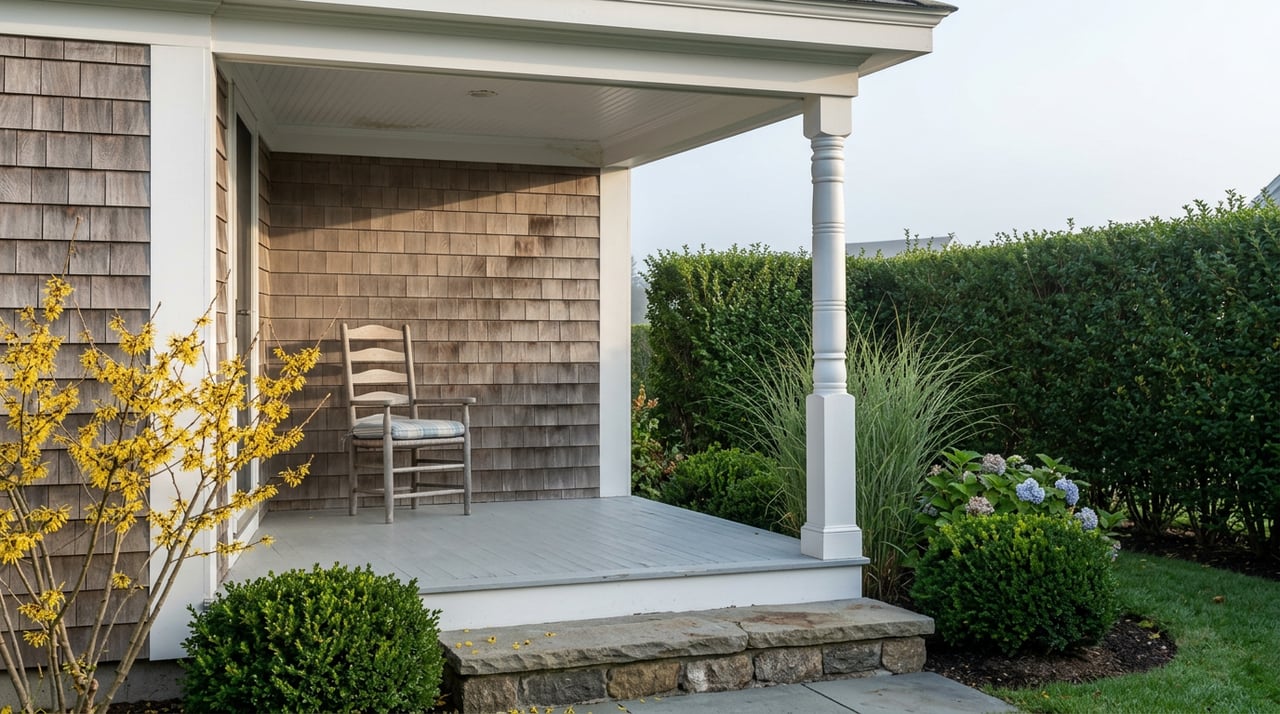
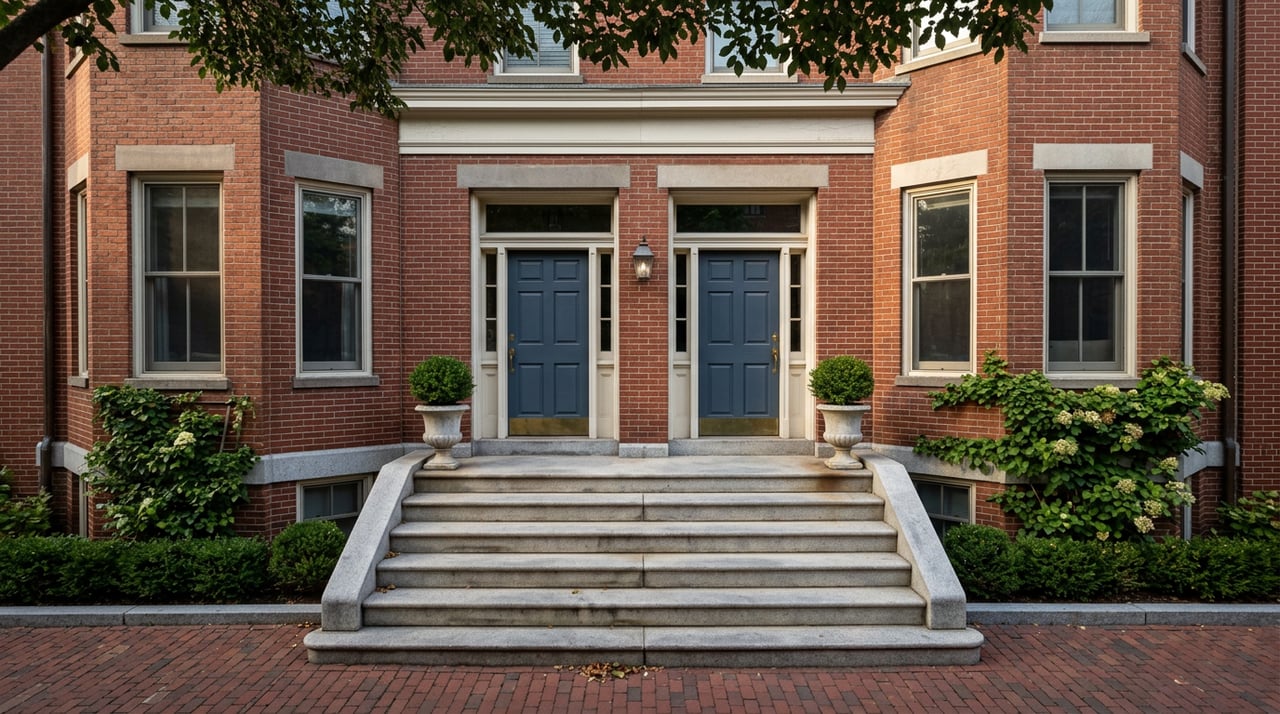
- Expect close attention to footprint, column details, balusters, and railings. Removing or enclosing a historic porch receives strong scrutiny.
- Any additions should read as subordinate to the primary facade.
Roofing and chimneys
- Historic roofing like slate or tile is often considered character-defining. Like-for-like replacement is preferred, with substitutions evaluated case by case.
- Chimney repairs should use compatible materials and retain historic proportions.
Siding and cladding
- Maintain original cladding such as wood clapboard or shingles where possible. Changing to vinyl or aluminum on street-visible elevations is often discouraged.
- If proposing modern materials, bring samples and a clear compatibility rationale.
Additions and new builds
- The key tests are scale, massing, rooflines, setbacks, rhythm of openings, and materials. New work should not overpower the building or the streetscape.
- Additions placed to the rear or secondary elevations are more likely to be compatible.
Demolition
- Demolition of contributing buildings or significant features is the most scrutinized action. You will need strong documentation of structural condition and alternatives explored.
Fences and driveways
- Street-visible fences and walls are reviewed for height, materials, and scale. Driveway changes can be regulated to preserve historic lot patterns and streetscape continuity.
Paint, signage, and lighting
- Policies on paint vary by district. Signage and lighting are reviewed for size, placement, materials, and mounting to protect historic character.
Incentives and tax credits
Federal and state historic rehabilitation tax credits generally apply to income-producing properties and require review by the Rhode Island Historic Preservation & Heritage Commission, with federal involvement as applicable. Owner-occupied single-family homes typically are not eligible for the federal rehabilitation credit. Local grants or nonprofit programs may exist and can change over time. Check current offerings before you structure a project budget around incentives.
Compliance and appeals
Starting exterior work without approval can lead to stop-work orders, fines, and requirements to restore altered features. The HDC has enforcement authority under the municipal code, and other departments can withhold permits when approvals are missing.
Appeal and variance procedures are defined in local ordinances. Zoning variances address dimensional issues and run on a separate track from historic review. If you need both, plan your sequencing and allow extra time.
Your pre-project checklist
Use this checklist to confirm scope, schedule, and documentation before you invest in drawings or deposits.
- Confirm district status through the City’s planning or HDC office or municipal GIS.
- Obtain the district’s design guidelines, the HDC application packet, and the municipal preservation code.
- Complete a historic-condition inventory with current street-view photos and any historic images you can locate.
- Request a pre-application meeting with staff to identify issues early and learn whether your project may qualify for administrative approval.
- Prepare scaled drawings, product data, material samples, and a clear narrative that connects your proposal to the guidelines.
- Select contractors and architects experienced with historic districts and like-for-like repair techniques. Ask for examples from similar projects.
- Budget for historically appropriate materials and skilled labor, and add schedule buffers for review cycles and possible revisions.
- Explore incentives with the RIHPHC and local nonprofits if your project might qualify.
- Coordinate HDC approvals with building and zoning permits to prevent route conflicts or delays.
Concierge support for your home
If you are buying a historic East Side home or planning a sensitive improvement, the right guidance makes a measurable difference. You can streamline approvals by engaging experienced designers and contractors, sequencing permits correctly, and presenting complete documentation the first time. For discreet, preservation-minded representation and introductions to proven specialists, connect with Cherry Arnold to schedule a private consultation.
FAQs
Do I need HDC approval to replace windows in a Providence historic district?
- Most window replacements visible from public ways require review, and repair is typically preferred. If replacement is approved, the commission often seeks wood units with matching profiles and muntin patterns.
How long does a Providence HDC review typically take?
- Administrative approvals can take days to a few weeks. Public-hearing projects often run 4 to 8 weeks from submission to decision, with major projects taking longer.
Does National Register listing restrict what I can change on my home?
- Not usually for private owners, unless state or federal funding, permits, or tax credits are part of the project. Local HDC rules are the primary authority for most exterior work.
What happens if I start exterior work without HDC approval in Providence?
- You risk stop-work orders, fines, and requirements to restore altered features. Other municipal permits can also be withheld until you obtain approvals.
Are paint colors regulated in Providence historic districts?
- Policies vary by district and can change over time. Confirm with HDC staff whether repainting or color changes on your property require review before you begin.