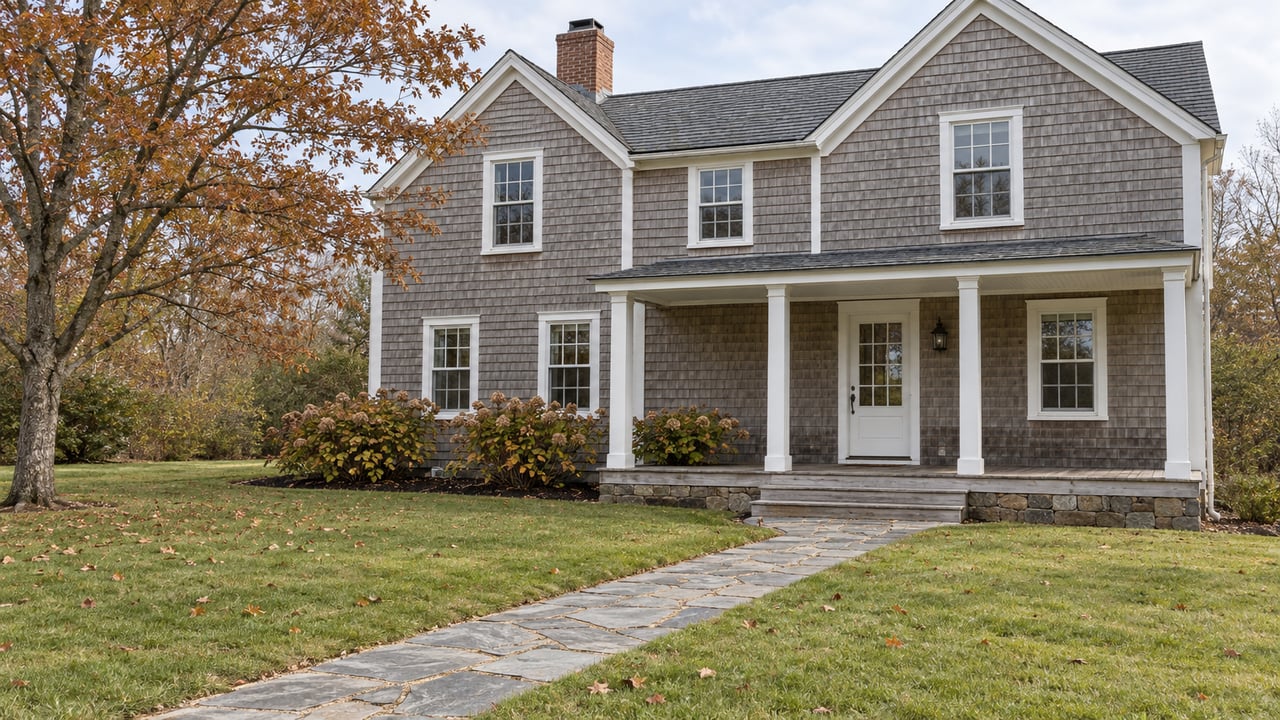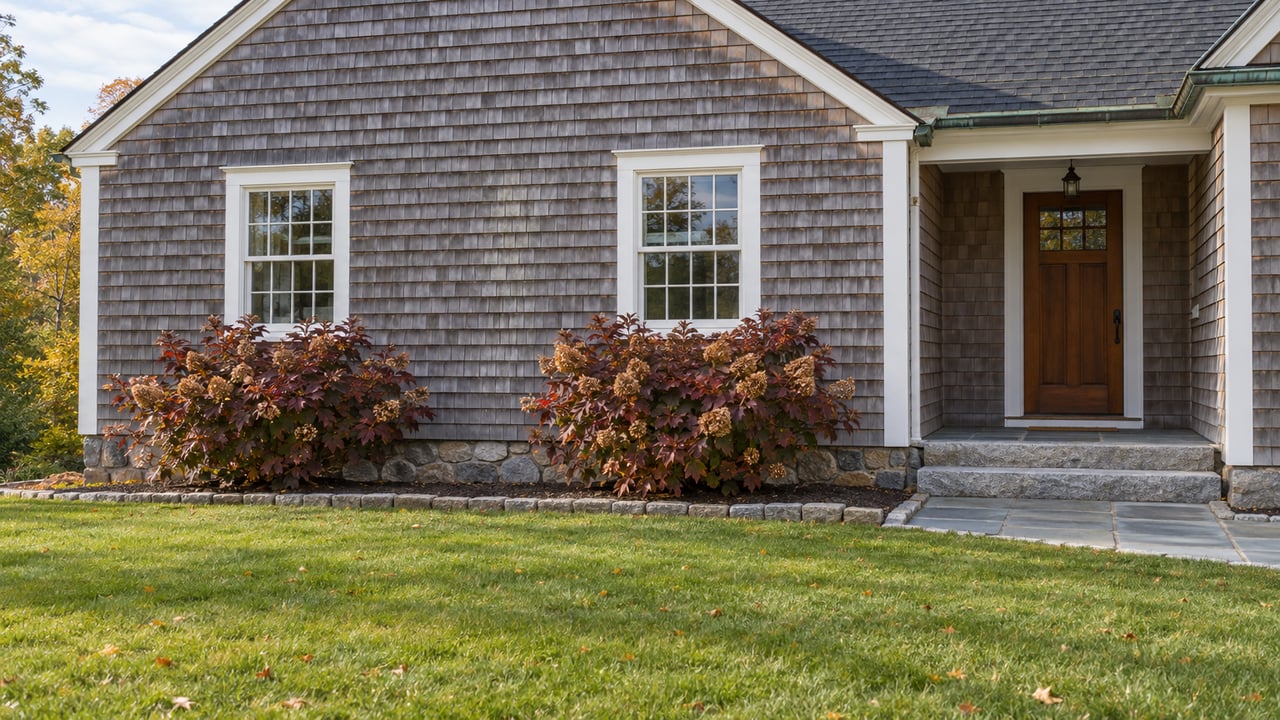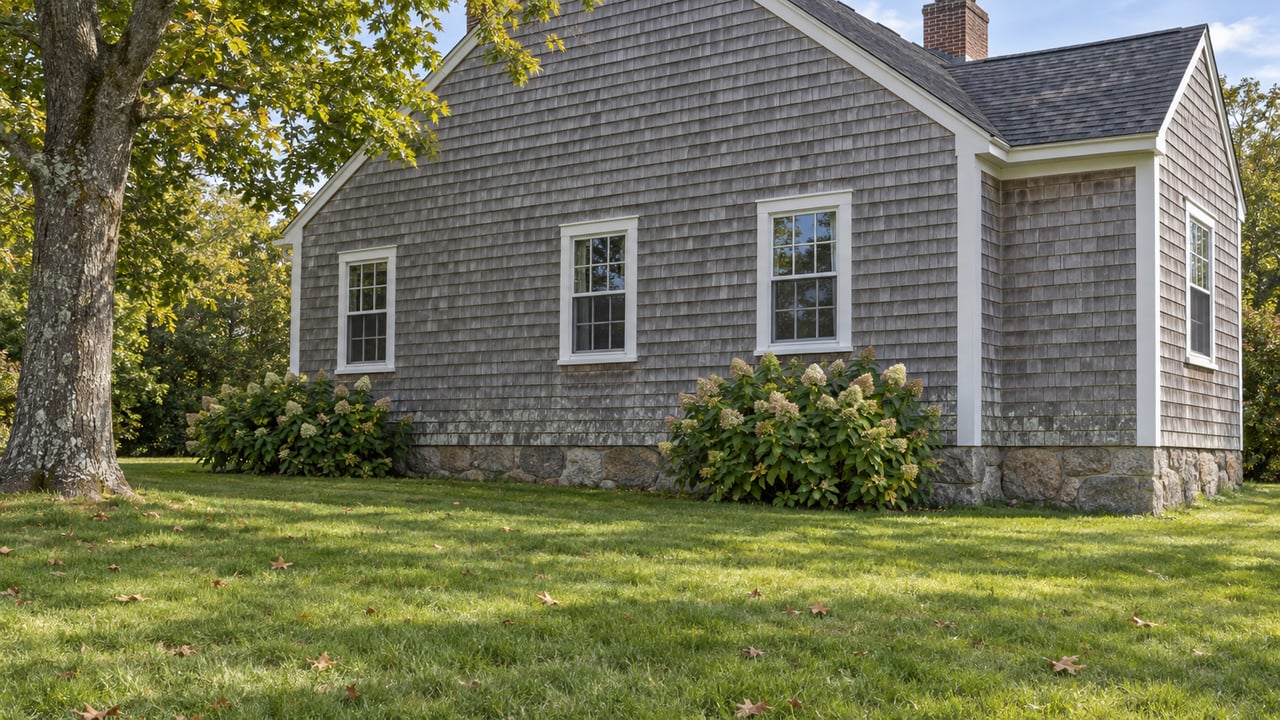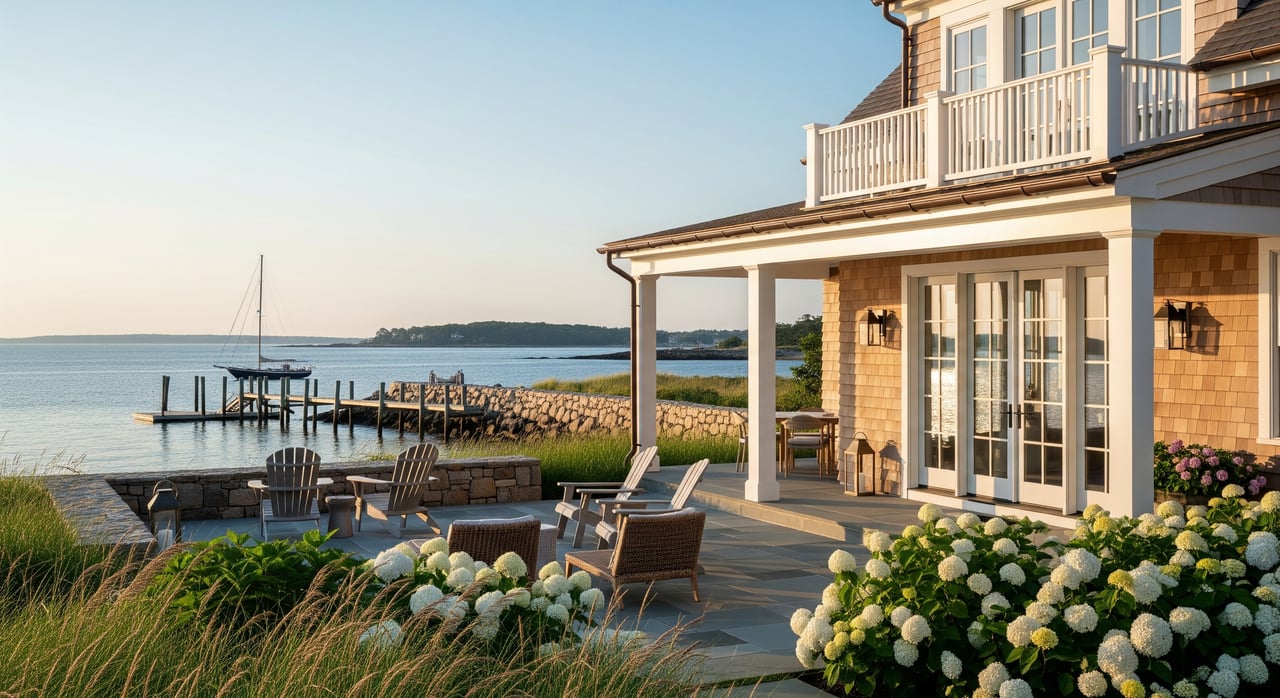
Imagine waking up to a quiet harbor, coffee in hand, and sailboats easing out to Buzzards Bay. If you are weighing a second home that blends privacy, boating, and an easy weekend drive from Providence or Boston, South Dartmouth belongs on your shortlist. You want a place that feels effortless in summer and simple to maintain all year. This guide shows you how to match your lifestyle with the right micro-neighborhood, understand boating and beach access, and navigate key coastal buying steps with confidence. Let’s dive in.
Why South Dartmouth works for second homes
South Dartmouth sits along Buzzards Bay in the town of Dartmouth, just north of New Bedford. You have regional access through I-195, with convenient reach to regional airports and ferries. Many buyers love the ease of a Friday arrival and a Sunday sunset departure.
The vibe changes with the seasons. From June through September, you will find lively harbor energy in the village and long light on the water. Off-season, life turns quieter and more residential, which many second-home owners prefer for downtime. Culture and dining draw from nearby New Bedford’s maritime traditions and arts, while local businesses in Padanaram often extend hours in summer.
Environmental context is part of coastal living. Tides, storm surge, and long-term sea-level rise are real considerations. Before you buy, plan to review FEMA flood maps and local floodplain designations, and look at NOAA tide and sea-level tools for Buzzards Bay. Local groups also track water quality and shellfish habitat, reflecting a community that cares for its shoreline.
Choose your coastal setting
Padanaram Harbor Village
If you want to stroll for dinner, watch regattas, and join an active boating scene, Padanaram is your spot. Streets hug the harbor, with cafés, restaurants, shops, and a visible mix of commercial and recreational boats. Housing ranges from historic cottages to renovated homes and condos near the village core.
Buyer fit: You enjoy a social harbor lifestyle, easy access to dining, and proximity to docks and moorings. Expect seasonal energy in summer, with a quieter pace the rest of the year.
Nonquitt private enclave
Nonquitt feels intimate and discreet. It is a small coastal enclave with association-managed paths and shoreline, and a strong sense of privacy. Homes include classic seaside cottages and renovated shingle-style houses on modest lots that protect views and quiet.
Buyer fit: You want serene, private beach access and a low-profile community. Association rules and shared stewardship help keep the setting cohesive.
Round Hill estates and bluffs
Round Hill offers sweeping views of Buzzards Bay from elevated sites. Properties trend larger, often with long drives, mature landscaping, and architecture tuned to capture the horizon. Many homes enjoy private stairs to the shore or association beaches.
Buyer fit: You value space, seclusion, and uninterrupted water views. Day-to-day foot traffic is minimal compared with the village.
Inland and transition zones
A bit inland, you will find larger parcels, woodlands, and conservation land nearby. These homes trade direct shoreline responsibilities for more year-round privacy and lower exposure to coastal conditions. It is a good fit if you want coastal proximity without maintaining a seawall or stairs.
Boating, beaches, and everyday play
Padanaram Harbor is a true boating hub. The town and harbormaster administer moorings, slips, and transient docking, and the harbor hosts everything from day sailors to cruising boats. If boating is central to your lifestyle, confirm mooring availability early and ask whether any mooring associated with a property transfers or is issued seasonally.
Beach access varies by location. Nonquitt and parts of Round Hill often have private or association-controlled shoreline, while village areas and certain town beaches offer public access. Parking and hours can be seasonal and regulated, so plan ahead for guests.
On-water safety is part of the rhythm here. Tides, ledges, and currents in Buzzards Bay can affect swimming and small-boat use. Check local signage and harbor advisories, especially in new-to-you coves.
Beyond the beach, you will find walking trails, conservation land, and regional parks for hiking and birding. Fishing and shellfishing are part of the local culture. If you plan to dig clams or harvest oysters, you will need appropriate permits and to follow seasonal rules.
What to know before you buy
Market dynamics and pricing signals
Second-home demand is driven by privacy, authentic coastal character, and access to beaches and boating. Inventory in private enclaves is typically limited, and properties with deepwater access, private sands, or wide-open views command premiums. Reviewing current MLS activity and town records helps calibrate your budget and timing.
Waterfront rights and access
Coastal properties can include complex rights. Clarify what you own and what you share, including any bulkheads, seawalls, stairs, or dune features. Document whether mooring or slip rights transfer with the home or are issued by seasonal permit through the harbormaster. Confirm any riparian or littoral rights, and understand the rules for association-managed beaches or paths.
Permits and construction limits
Work near the water is regulated. Changes to shorelines, docks, or structures in the coastal zone often require approvals from the local Conservation Commission and state agencies. Projects below the mean high-water line may trigger Chapter 91 licensing, and wetlands buffers and zoning setbacks can shape renovation scope. If you are planning a transformation, build in time for multi-agency review.
Flood risk and insurance
Ask early about flood zones and insurance requirements. FEMA flood maps and any available elevation certificates will influence coverage and cost. Consider future risk as well, including sea-level rise and storm intensity, using NOAA tools and local planning resources. Quotes for flood and wind insurance are prudent to secure during due diligence.
Utilities, septic, and winterization
Do not assume municipal water and sewer. Many coastal homes rely on private wells and Title 5 septic systems, which require inspection and sometimes upgrades at transfer. For part-time living, plan for winterization strategies such as pipe heat and sump pumps. Condos or association properties may offer seasonal services, while single-family homes require your own plan.
HOAs and rental rules
Private enclaves often operate under association bylaws with assessments and rules that protect common assets. Review guest policies and any short-term rental restrictions. Some towns and homeowners associations regulate STRs, which can affect how you use the property.
Taxes and local services
Property taxes are set at the municipal level. Check current assessments and rates with the Dartmouth Assessor. Budget for carrying costs, including utilities, insurance, association fees, maintenance, and seasonal staffing for landscape or snow and ice. For remote waterfronts, consider response times for emergency services.
A smart second-home buying checklist
- Confirm deeded access and any easements for beaches, paths, or docks.
- Obtain a recent survey and, if available, a shoreline condition assessment for bulkheads, stairs, and erosion.
- Review permit history with the town conservation and building departments.
- Verify mooring or slip status with the harbormaster and clarify transferability.
- Conduct inspections: structural, septic Title 5, well water quality, and marine structures.
- Order early quotes for flood, wind, and umbrella liability insurance.
- Run a title search focused on waterfront encumbrances, rights-of-way, or public trust claims.
- Review association bylaws, meeting minutes, rules, assessments, and capital reserves.
How Cherry guides your South Dartmouth search
You deserve a quiet, capable advocate who knows the coastal nuances and the luxury market. With deep Farm Coast and South Coast expertise, curated access to off-market opportunities, and a stewardship-first approach, you get advice that balances romance with reality. You will see neighborhood contrasts clearly, understand mooring and shoreline rules, and move through due diligence with confidence.
If South Dartmouth feels like your next chapter, let’s talk about your timeline, preferred setting, and the on-water life you want to build. Schedule a private consultation with Cherry Arnold to start your search.
FAQs
What part of South Dartmouth suits a social harbor lifestyle?
- Padanaram Harbor Village offers pedestrian-friendly streets, dining, shops, and an active boating scene, making it ideal if you want to stroll from home to the dock and dinner.
How do mooring rights work in Padanaram Harbor?
- The town and harbormaster manage moorings and slips; availability and transfer rules vary, so confirm whether any mooring tied to a property transfers or is issued seasonally.
What should second-home buyers know about flood insurance?
- FEMA flood zones, elevation certificates, and insurer quotes will shape coverage and cost; review maps early and consider long-term sea-level rise when evaluating low-lying lots.
Are South Dartmouth beaches public or private?
- Access is a mix; many shorelines in Nonquitt and parts of Round Hill are private or association-controlled, while village and town beaches provide public access with seasonal regulations.
What permits are needed for dock or seawall projects?
- Expect review by the local Conservation Commission and state agencies, with potential Chapter 91 requirements for work below mean high water and adherence to wetlands buffers and setback rules.