Trying to decide if true waterfront or a waterview home in Westport’s Acoaxet area is worth the premium? You want the right mix of access, privacy, and long-term value for a second home. In this guide, you’ll learn what each option truly offers, what risks and regulations matter most, and how to weigh price drivers with confidence. Let’s dive in.
Waterfront vs waterview: what they mean
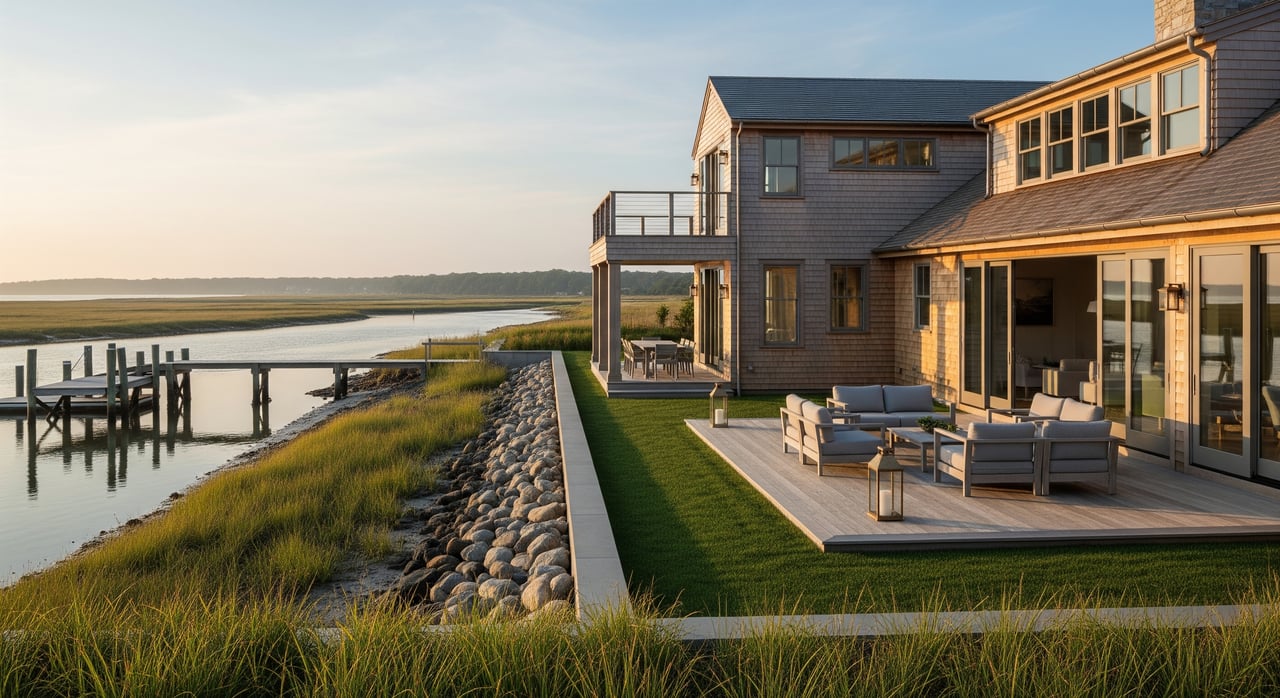
In Westport, “waterfront” typically means your parcel directly touches the tidal shoreline or riverbank. You may have private access to the water, riparian rights, and possibly a private beach area, dock, or mooring, depending on permits and location. You experience the water at high and low tide with immediate visual and physical connection.
“Waterview” means you see the water but do not own the shorefront. Views can be sweeping or partial, sometimes across marsh or neighboring parcels. Access to the shore may come from a public way, a neighborhood easement, or not at all.
Across Westport and Acoaxet, settings vary. You’ll find open water exposure toward Long Island Sound, the Westport River’s East and West branches, marsh and delta frontage, and smaller coves or ponds. Each waterbody type influences lifestyle, risk, and value.
Lifestyle trade-offs you will feel
Waterfront advantages
- Direct access for boating, paddling, and swimming right from your property.
- A strong sense of presence — sunrises or sunsets from your deck and quick access to moorings or docks.
- Elevated prestige and potential rental draw when short-term rentals are allowed.
Waterfront watch-outs
- Higher exposure to storms, flooding, wave action, salt spray, and faster wear on structures.
- More complex permitting for docks, armoring, and shore work.
- Potential for more foot traffic nearby if tidal flats or public areas are adjacent.
- Often higher insurance and ongoing maintenance costs.
Waterview advantages
- Lower exposure to flooding and wave damage if set back or at higher elevation.
- Quieter settings with more privacy and fewer beachgoers.
- Less shoreline maintenance and often simpler permitting for renovations.
- Frequently a more predictable ownership experience with lower carrying costs.
Waterview trade-offs
- No direct shore access unless an easement, shared path, or dock rights are included.
- Views can change if nearby development occurs and no view protections exist.
- Typically lower rental income potential compared with true waterfront, though compelling, protected views still command premiums.
Risk and resiliency: what affects long-term cost
Understanding site risk helps you compare the true cost of waterfront vs waterview.
- Flood zone and elevation. Check FEMA Flood Insurance Rate Maps to confirm if the parcel lies in AE, V, or VE zones. Ask for an elevation certificate so you know the finished floor relative to Base Flood Elevation. Consider sea level rise and storm surge using federal and state coastal tools.
- Erosion and shoreline stability. Review historical records for erosion, prior armoring, and the condition of bulkheads, revetments, or riprap. Natural marsh edges behave differently than armored shorelines and affect maintenance and permitting.
- Foundation and construction type. In high-wave zones, elevated construction on pilings is common. This can shape design, costs, and how you use ground level space.
- Utilities and access. Confirm whether the road is town maintained or private, and how that impacts winter access. Westport is largely on septic, so Board of Health rules will influence bedroom count, expansion, and rental use. Plan for power resilience during storms.
- Insurance. If the property sits in a Special Flood Hazard Area and you carry a federally backed mortgage, flood insurance is typically required. Coastal homes often have wind or hurricane deductibles. Costs depend on zone, elevation, mitigation, and claim history.
- Environmental constraints. State wetlands protections and local conservation buffers limit certain work near the water. Shellfish and habitat areas can add restrictions, especially along estuaries.
Rules and rights to confirm in Massachusetts
- Tidal boundary and public trust. Ownership near tidelands often ends at a boundary related to mean high water. Confirm the exact line and any public rights with a surveyor or title attorney.
- Docking, moorings, and armoring. Docks and shoreline stabilization typically require permits at the town and state level, and sometimes federal review. Local commissions may add conditions for estuaries or shellfish beds.
- Zoning and overlays. Westport zoning, coastal districts, setbacks, and coastal construction standards can influence what you build and where. Review prior permits and any conditions.
- Septic and health rules. Title 5 compliance, system capacity, and replacement areas affect use and expansion. If you plan to rent, ask about inspections or permits that may apply.
What drives price in Westport
You pay for the experience as much as the structure. Key drivers include:
- Type of waterbody and exposure. Open water or deep-water access often commands the highest premium, followed by riverfront, then marsh frontage for many buyers.
- Private access and rights. Deeded shoreline, dock or mooring rights, and broad, unobstructed views drive value.
- Frontage, orientation, and privacy. Long frontage, southern exposure, and protected view corridors are prized.
- Structural quality and resiliency. Elevated homes, newer bulkheads, and recent coastal-grade improvements often support stronger pricing.
- Lifestyle proximity. Access to beaches, marinas, and destinations like Horseneck Beach State Reservation matters.
- Flexibility to expand or rent. Clear permitting paths and allowed rental use can boost value.
Factors that may trim the premium:
- Low-elevation marsh frontage with limited recreational use.
- Documented erosion, or lack of permission to armor or repair.
- High insurance premiums or prior claims.
- Infrastructure concerns such as flood-prone access roads or seasonal limitations.
Bottom line on pricing: waterfront typically trades at a premium over inland, and waterview can also command a meaningful premium when views are expansive and protected. Because local conditions vary block by block, rely on recent Westport comps and a coastal appraiser to quantify the differential for a specific property.
Quick decision guide
- Choose waterfront if you want daily, private access to the water for boating and swimming, accept higher maintenance, and are prepared for flood and wind insurance complexities.
- Choose waterview if you want the visual drama without the same level of exposure, prefer simpler permitting and maintenance, and can live without private shore access.
- If rental income matters, compare realistic rental demand for each setting and verify local rules.
- If long-term stewardship matters to you, weigh elevation, erosion history, and the ability to implement resiliency upgrades.
Buyer due diligence checklist
Use this list before an offer or during contingencies:
- Get a current survey that shows lot boundaries and the mean high water line.
- Obtain an elevation certificate and confirm FEMA flood zone and Base Flood Elevation.
- Request flood and wind insurance quotes from carriers and review any claim history.
- Gather records for docks, bulkheads, revetments, and any shoreline permits or maintenance.
- Verify septic system age, capacity, Title 5 status, and available replacement area with the Board of Health.
- Inspect for salt-air corrosion on mechanicals, metals, and exterior finishes.
- Meet with the Westport Conservation Commission and Building/Zoning offices to review buffers, overlays, and prior permits.
- Confirm road ownership and maintenance, any association fees, parking limits, and seasonal access notes.
- Verify mooring or docking rights, harbor rules, and any neighborhood covenants or easements.
- Engage a coastal engineer or geotechnical expert if erosion, bluff stability, or seawall condition is a concern.
- Hire an appraiser experienced in Westport coastal properties and a title attorney versed in tidal boundaries and easements.
- If you plan to rent, confirm local rental rules and tax obligations.
The bottom line
Waterfront in Westport and Acoaxet delivers unmatched access and a powerful lifestyle premium, balanced by higher exposure, more complex permitting, and typically higher carrying costs. Waterview gives you the views and calm with fewer headaches and often lower long-term costs. The best choice comes down to how you plan to use the home, your tolerance for maintenance and insurance, and your timeframe.
If you want an experienced, white-glove partner to source, evaluate, and negotiate the right coastal property, connect with Cherry Arnold for a private consultation tailored to your goals.
FAQs
How much more will I pay for waterfront in Westport?
- Waterfront usually carries a premium, but the amount varies widely by waterbody, frontage, improvements, and demand. Use recent local comps and a coastal appraiser to determine specifics.
Are waterfront homes in Westport harder to insure?
- Insurance often costs more due to flood and wind risk. Final premiums depend on elevation, FEMA zone, mitigation features, and claim history.
Can I add a dock or armor the shoreline on a Westport property?
- Possibly, but you will need permits at town and state levels, and sensitive areas can face restrictions. Start with the Westport Conservation Commission and state coastal regulators.
How do I assess erosion risk for a waterfront lot?
- Review historical aerials, prior shoreline permits and maintenance records, consult coastal erosion and sea level rise mapping, and hire a coastal engineer if conditions warrant.
What does the mean high water line mean for my rights?
- It is a tidal reference used to define boundaries and public trust tidelands. Confirm the exact line and related rights with a surveyor and title attorney.