Eyeing a classic College Hill townhouse or a grand East Side Victorian and wondering how to finance it smartly? You are not alone. In Providence’s luxury market, many properties sit above the conforming loan limit, which means you may need a jumbo loan. In this guide, you will learn how jumbo financing works, what lenders expect, how to navigate appraisals for historic homes, and how to build a financing strategy that strengthens your offer. Let’s dive in.
Jumbo vs. conforming basics in Providence
A jumbo loan is any mortgage amount that exceeds the conforming loan limit set each year by the Federal Housing Finance Agency. Because jumbo loans are not sold to Fannie Mae or Freddie Mac, lenders underwrite and price them differently. They are often kept in bank portfolios or placed with private investors.
On the East Side, especially in College Hill, many historic and architecturally significant homes list well above the area median. If the purchase price minus your down payment pushes the loan amount over the current conforming limit, you will use a jumbo program. Before you write an offer, confirm the current FHFA limit for Providence so you know whether a jumbo is required.
Jumbo underwriting takes a closer look at credit, assets, and reserves. Pricing can be slightly higher than conforming loans, but it varies by lender and by your profile. Private mortgage insurance is less common. Most jumbo lenders instead look for larger down payments and stronger reserves.
What jumbo lenders expect
In Providence’s luxury tier, lenders focus on your overall financial picture. Expect higher standards for credit, assets, and documentation. Here is what most jumbo programs look for.
Credit and income
- Credit score: Many lenders prefer 700 or higher and clean, stable credit history.
- Income documentation: Full documentation is standard. W‑2 earners provide recent pay stubs, two years of W‑2s, and employer verification. Self‑employed buyers often provide two years of tax returns and profit and loss statements. Some programs accept 12 to 24 months of bank statements for income calculation.
- Investment or rental income: Expect to document leases and tax returns. Lenders may apply vacancy or expense adjustments.
- Asset‑based qualifying: Certain jumbo programs allow qualification based on liquid assets. This can help high‑net‑worth buyers with modest reported income.
Down payment, reserves, and DTI
- Down payment: Many jumbo lenders expect 20 percent or more. Some offer 10 percent down with stricter credit and reserve requirements. As loan amounts rise, 25 to 30 percent down is more common in practice.
- Reserves: It is common to see 6 to 12 months of total mortgage payments required, and sometimes more for complex profiles or higher loan sizes. Reserves can include cash, stocks, bonds, and retirement accounts subject to access rules.
- Debt‑to‑income ratio: Overlays vary. Some lenders allow higher DTIs for well‑qualified borrowers, while others cap at 43 percent. Expect all property obligations to be counted, including second homes and investment properties.
Other underwriting details
- Employment stability and continuity of income matter more at larger loan sizes.
- Gifts and trust or LLC ownership may be allowed but require documentation and lender approval.
- Interest‑only and adjustable‑rate options exist through bank portfolio products, often with stronger reserve and credit requirements.
Your documentation checklist
- 12 to 24 months of bank and brokerage statements
- Two years of personal tax returns and, if applicable, business returns
- 2 to 3 months of pay stubs and employer contact for verification
- Documentation for rental or investment income, such as leases and Schedule E
- Retirement account statements and confirmation of liquid assets
- Letters and statements to explain large deposits or irregular income
Appraisals on the East Side and College Hill
Appraisals for historic Providence homes are often complex. Properties can be one of a kind, with features that rarely appear in standard comparable sales. Because jumbo lenders rely heavily on the appraisal to confirm value, a clear plan for valuation can save time and stress.
Historic homes often have unique floor plans, period materials, or certified renovations that took significant investment. There may be few recent sales nearby that match your property’s size, finish level, or lot. Appraisers sometimes use more distant comps or supplement with a cost approach. Location premiums for walkability, views, and proximity to universities are common and may not be captured by automated models.
Common valuation challenges
- Limited recent local comps for a distinctive or high‑value home
- Adjustments for renovations, especially if permits or documentation are missing
- Use of comps from other Providence neighborhoods or nearby towns, which can prompt extra lender review
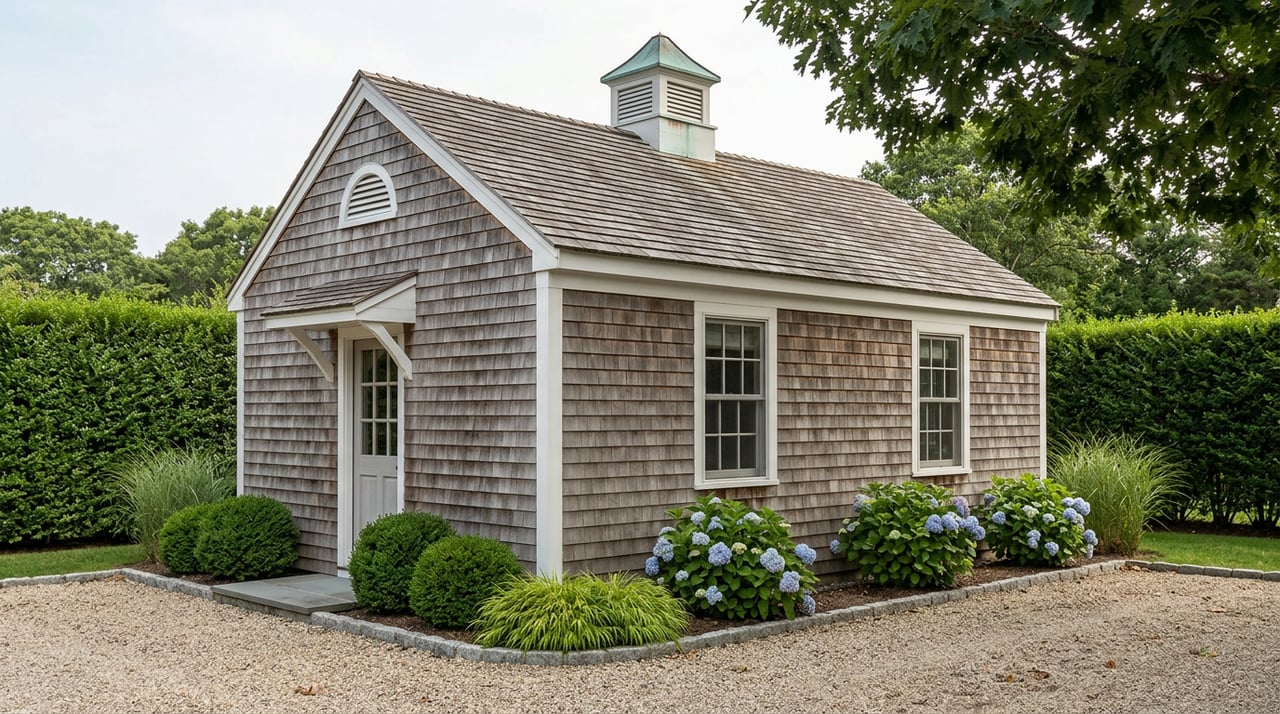
- High‑value amenities, such as carriage houses or bespoke landscaping, that require cost documentation
- Historic designations or easements that affect marketability and value
Steps to reduce appraisal risk
- Prepare a comp packet with recent sales, permits, and contractor invoices for major work.
- Consider a pre‑listing appraisal or a consultation with a local certified appraiser experienced in Providence historic homes.
- Coordinate early with your lender on appraisal ordering and whether supplemental approaches, like a cost approach, will be needed.
- Encourage use of an appraiser who knows East Side and College Hill housing stock when the lender’s panel allows it.
Smart financing strategies for luxury buyers
You have options when structuring jumbo financing. The best fit depends on your income profile, liquidity, and the property itself.
- Conventional jumbo: The standard path via banks, credit unions, and mortgage companies. Best for buyers with strong credit, documented income, and healthy assets.
- Portfolio lending: A bank holds the loan rather than selling it. This can offer custom terms and flexibility, helpful for complex income, unique properties, or tailored reserve requirements.
- Bank statement or asset‑based programs: Useful for high‑net‑worth or self‑employed buyers whose tax returns do not reflect cash flow.
- Bridge or construction financing: Consider this when you need to buy before you sell, or when major renovations are part of the plan. Appraisal timing and draw schedules require careful coordination.
- Combination structures: Some lenders may layer financing to reduce the first‑mortgage amount. These can add complexity and cost, so review terms closely.
Why early lender collaboration pays off
- Stronger offers: A full pre‑approval with an underwriter review is more powerful than a basic prequalification.
- Better product fit: A lender can compare a single jumbo against alternative structures to minimize cost and risk.
- Appraisal intelligence: Local lenders can help source appraisers with historic home experience and advise on valuation approaches.
- Clear timelines: Jumbo underwriting and appraisal can take longer. Align closing dates early and plan for possible appraisal supplements or reconsiderations.
- Holistic planning: Private banking teams can coordinate mortgage terms with tax and liquidity goals.
- Negotiation edge: A serious lender letter plus documented reserves can compete with all‑cash offers when the seller values certainty.
Tactics to keep your offer strong
- Obtain a documented pre‑approval with conditions listed up front.
- Share property details with your lender and appraiser immediately, including permits and renovation invoices.
- Confirm reserve and down payment requirements in writing for your target loan amount.
- Include a realistic appraisal contingency and timeline, based on lender guidance.
- Use a modest cushion in your offer terms only after verifying lender timelines.
Timeline expectations
Jumbo loans can take longer than conforming mortgages. Plan for 30 to 45 days or more, depending on documentation, appraisal complexity, and lender capacity. Historic or unique East Side homes may add time for comparable analysis, cost approach supplements, or appraisal review. Build a buffer into your purchase agreement and keep communication open among your agent, lender, and attorney.
How we help you compete with confidence
Luxury buyers in Providence want clarity, discretion, and strong results. You can expect guidance that keeps you ahead of appraisal and underwriting hurdles. From aligning with lenders who understand Providence’s historic housing to packaging documentation that supports value, you will enter negotiations prepared and confident. If you are planning renovations or coordinating a sale and purchase, thoughtful timing and financing structure can preserve flexibility and strengthen your position.
Ready to tailor a financing strategy around your goals and target property on the East Side or in College Hill? Connect with Cherry Arnold to schedule a private consultation.
FAQs
What is a jumbo loan and when do I need one?
- A jumbo loan exceeds the FHFA conforming loan limit, which means you typically use one when your loan amount is higher than that annual limit for Providence.
Are jumbo mortgage rates much higher than conforming?
- Sometimes, but the spread depends on your credit, loan size, down payment, and product; shop several lenders to compare.
How much down payment do Providence jumbo loans require?
- Many start at 20 percent down, though some lenders allow 10 percent with stronger reserves; higher loan amounts often see 25 to 30 percent down in practice.
Why are appraisals harder for East Side and College Hill homes?
- Historic, architecturally unique properties often lack close comparable sales, so appraisers may need broader searches or supplemental valuation approaches.
How long does jumbo underwriting usually take?
- Plan for 30 to 45 days or more, depending on documentation readiness, appraisal timing, and lender workload.