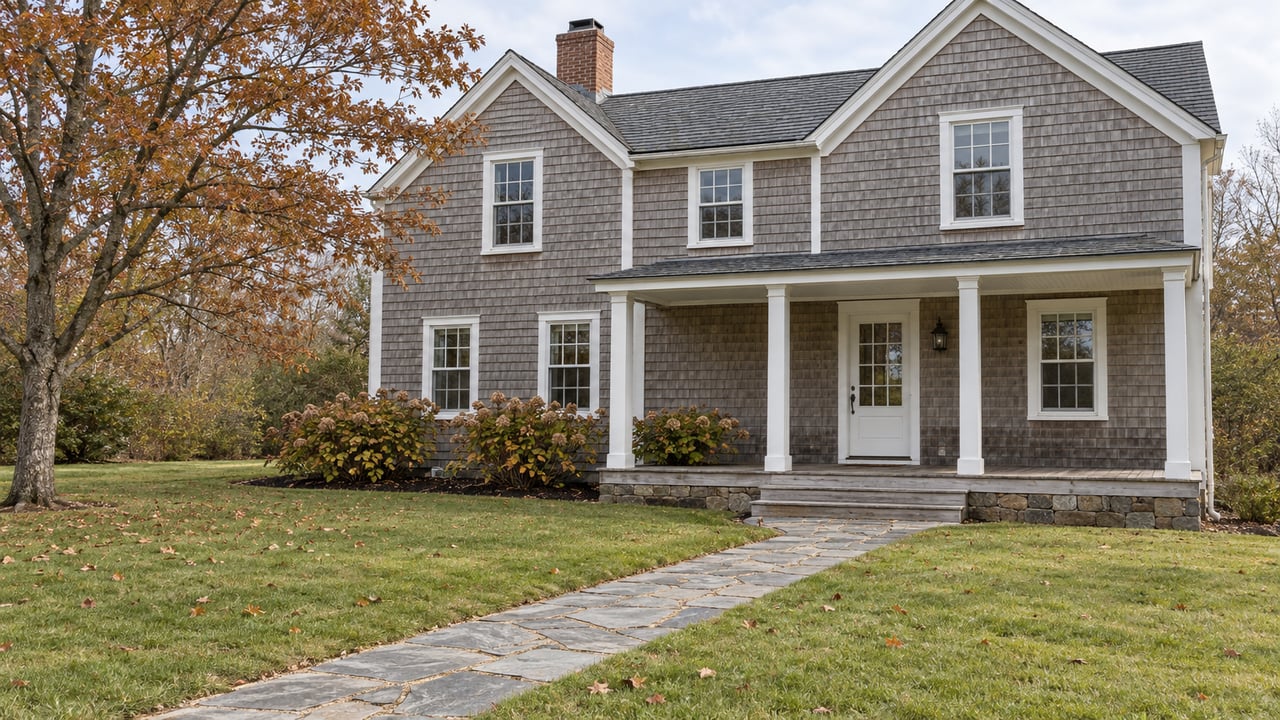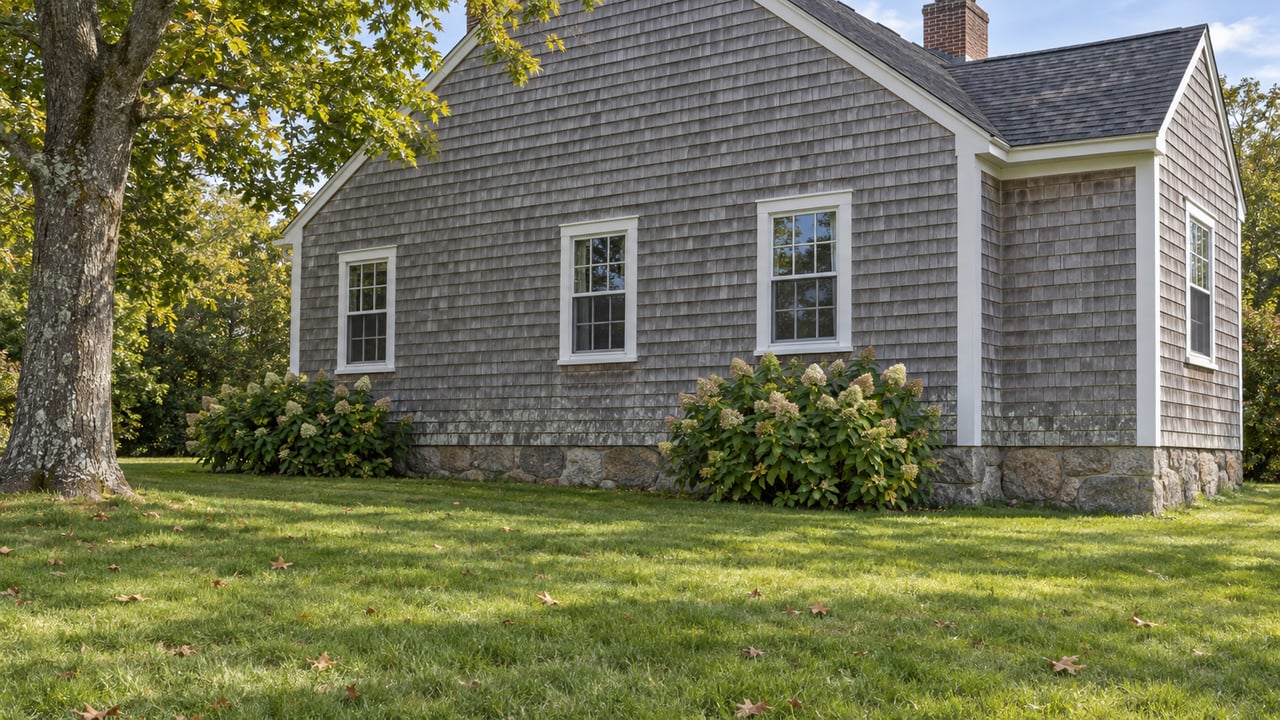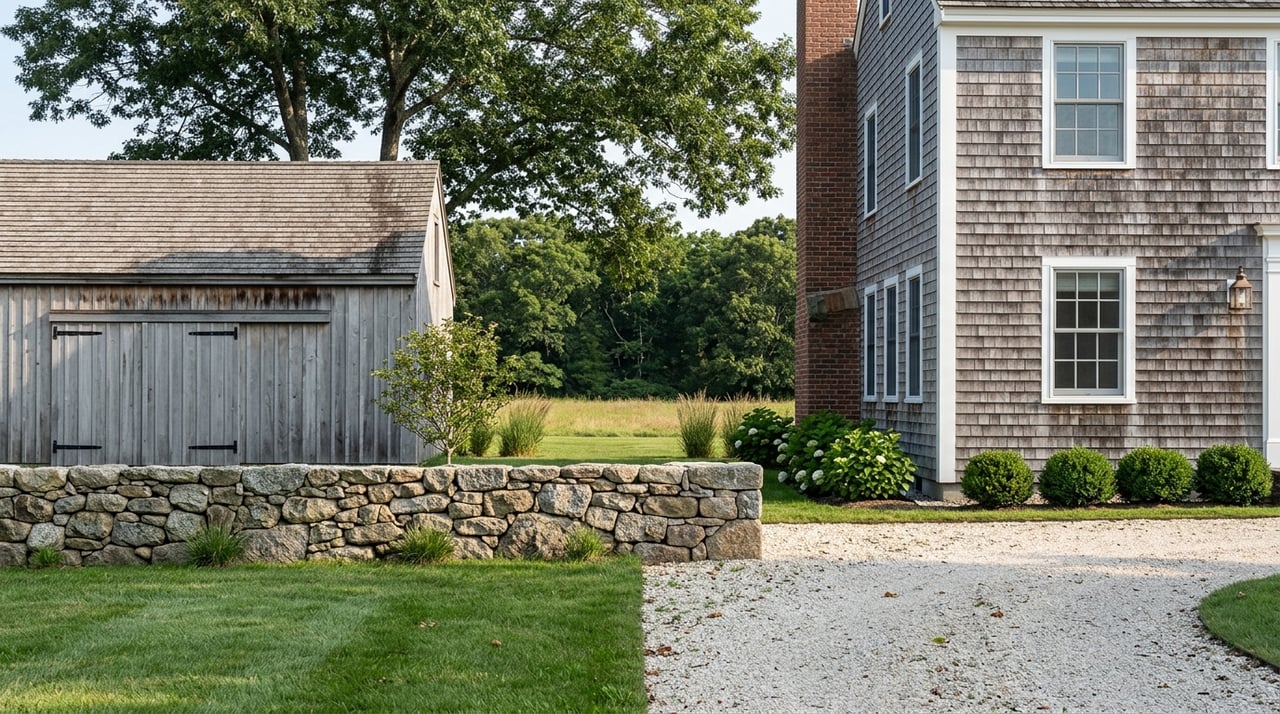
Selling a legacy farm in Little Compton is rarely just about putting acreage on the market. In this corner of Rhode Island, long-held farm properties often carry family history, agricultural purpose, conservation context, and a set of documents that shape what a future owner can do with the land. If you are preparing to sell, you need more than attractive photos and a standard listing plan. You need a clear stewardship story, strong documentation, and a buyer strategy that fits the property. Let’s dive in.
Start With Restrictions First
For a legacy farm property in Little Compton, the first step is usually not cosmetic preparation. It is a careful review of any restrictions, easements, and recorded documents tied to the land.
That matters because Rhode Island law makes conservation and preservation restrictions enforceable, and those restrictions generally continue with the property when it is sold. Under state law, they are not weakened by many of the issues that can affect ordinary covenants, and they are not subject to the same 30-year limit that applies to some other restrictions. You can review the statute on conservation and preservation restrictions in Rhode Island law.
For you as a seller, this means a buyer needs a clear, early picture of what is protected, what is allowed, and what obligations may continue after closing. A well-documented sale builds trust and helps serious buyers move forward with confidence.
Little Compton Values Agricultural Stewardship
Little Compton is not just a market for land. It is a community with a long, documented commitment to agriculture, open space, and preservation.
The town’s zoning ordinance includes preserving and promoting agricultural production, forestry, aquaculture, timber resources, and open space among its stated purposes. The town’s 2018 Comprehensive Plan also describes agriculture as bringing economic, visual, and ecological benefits to Little Compton.
That framework shapes how a legacy farm should be presented. Instead of marketing the property as vacant acreage or a generic country estate, the strongest positioning often highlights continuity, working-land value, and the stewardship that has helped preserve the land over time.
Why Preservation Context Matters
Little Compton has a substantial conservation footprint, and buyers often understand that context. According to the town’s comprehensive plan, the Little Compton Agricultural Conservancy Trust was created to help protect agricultural identity, scenic beauty, water quality, and habitat. By 2016, the Trust had preserved close to 2,000 acres, and more than 3,470 acres were enrolled in Rhode Island’s Farm, Forest and Open Space program.
That conservation setting is part of the local market story. The Sakonnet Preservation Association’s overview of open space in Little Compton estimated that 60% of the town was open space as of December 2019, with a mix of protected and still-unprotected land.
For your sale, this means buyers may respond best to a thoughtful narrative about the property’s role within Little Compton’s larger agricultural and scenic landscape. In many cases, that is more compelling than an acreage figure alone.
Build A Complete Document Packet
If you are a trustee, executor, or family representative, assembling documents early can make the entire process smoother. Rhode Island’s seller disclosure requirements provide a useful checklist for what should be reviewed before the property goes to market.
Under the state’s property disclosure law, sellers must disclose known easements, encroachments, covenants, restrictions, zoning issues, wetlands, floodplain conditions, wells, and historic district status. The statute also specifically calls for copies of surveys in the seller’s possession and disclosure of any known conservation easement or other conservation or preservation restriction, along with documentation if available.
A strong document packet may include:
- The recorded deed
- Any conservation or preservation easement
- Any deed-to-development-rights document
- A current or recent survey
- Title policy materials
- A structure inventory
- Permit records, if available
- Tax classification records
- Prior correspondence with DEM, land trusts, or preservation entities
This preparation can reduce uncertainty, answer buyer questions faster, and help avoid delays later in the transaction.
Review FFOS Status Carefully
If the farm is enrolled in Rhode Island’s Farm, Forest and Open Space program, that status deserves close attention during the sale process. According to the Rhode Island DEM FFOS program overview, enrolled land is assessed at current use rather than development value, and the program is designed to help keep productive land from being sold for development.
DEM also notes that a deed-to-development-rights document travels with the land on resale. At the same time, enrollment itself does not prevent the property from being sold, does not limit the sale of the property, and does not automatically carry forward to future owners.
For buyers, that distinction is important. For sellers, it reinforces the need to explain the difference between tax treatment, recorded development-rights documents, and future ownership decisions.
Separate The Land From The Structures
One of the biggest mistakes in selling a legacy farm is blending everything into one vague story. In reality, buyers need separate, clear information about the land, the main residence, and each outbuilding.
That is especially true in Little Compton, where older farm properties may include barns, sheds, secondary dwellings, workshops, or agricultural buildings from different eras. Not every structure will have the same legal status, permit history, or future flexibility.
A better approach is to break the property down into parts such as:
- The acreage and its agricultural or conservation context
- The main house and its condition, history, and current use
- Barns and agricultural support structures
- Secondary cottages, studios, or caretaker-style buildings
- Landscape features such as stone walls, fields, and access points
A Rhode Island historic survey of Little Compton notes the historic importance of farm complexes in shaping the town’s land, roads, walls, and buildings. That makes careful structure-by-structure storytelling especially important for a legacy property.
Explain Agricultural Uses Clearly
Little Compton’s zoning code gives useful context for buyers who may want the property to remain active and productive. The code permits agricultural uses that include growing, processing, value-added production, displays, education, promotion, and sales of agricultural products, including wineries, so long as other requirements are met. The code also provides flexibility for multiple permitted uses on the same lot where the standards are satisfied. You can review these provisions in the Little Compton zoning code.
That means a legacy farm may deserve to be described as more than a scenic holding. Depending on the property and applicable approvals, it may also be framed as a functioning agricultural asset.
This is an area where precision matters. You want buyers to understand the property’s real utility without overstating future potential. Accurate, document-based presentation is the strongest path.
Address Right-To-Farm Questions Early
Some buyers are drawn to the beauty of farm country without fully understanding what active agricultural areas can involve. That is why it helps to address right-to-farm context early and calmly.
Rhode Island’s Right to Farm Act recognizes a wide range of mixed-use farm activities, including retail sales, tours, classes, petting and viewing animals, hayrides, crop mazes, festivals, and other special events. The law also limits nuisance claims related to accepted farm practices such as ordinary odors, noise, and dust.
For your listing, this is useful context rather than a sales pitch. It helps buyers understand that living with or near productive farmland comes with both benefits and practical realities.
Historic Easements Need Careful Explanation
If your property has a historic preservation easement or sits within a local historic district, those details should be clarified before the listing goes live. According to the Rhode Island Historical Preservation & Heritage Commission, a preservation easement can protect exteriors, interiors, and surrounding land, while the owner still retains use of the property and remains responsible for maintenance.
If the parcel is located in a local historic district, exterior alterations and new construction may be reviewed by the local historic district commission. The district does not regulate building use, however, and zoning still controls use.
For buyers, this distinction can be reassuring when explained correctly. Preservation oversight does not mean a property is frozen in time, but it does mean that stewardship and review may be part of ownership.
Verify Boundaries Before Market Launch
Legacy farms often have long ownership histories, older surveys, informal boundary assumptions, or structures added over time. That makes boundary review especially important.
Rhode Island’s disclosure law specifically notes that a buyer may wish to obtain an independent survey. On a farm property with wetlands, floodplain areas, shoreline considerations, multiple structures, or historic boundary lines, confirming those details before marketing can improve clarity and reduce late-stage surprises.
This is not just a legal checkbox. It is also a pricing and positioning tool. Buyers are more likely to engage seriously when the property’s boundaries and conditions are well documented.
Market The Property As A Stewardship Sale
In Little Compton, the most credible marketing for a legacy farm is usually stewardship-minded rather than speculative. The story should reflect family continuity, active land use, conservation history, and the reasons the property has mattered over time.
That tone aligns with local planning documents, which repeatedly frame farms as part of the town’s economic, ecological, visual, and historical identity. It also aligns with what many qualified buyers for this kind of property are looking for: a place with meaning, integrity, and a future that respects its past.
For a premium sale, presentation still matters. Strong visuals, thoughtful narrative structure, and targeted buyer outreach can all elevate the result. But on a property like this, the most effective marketing begins with truth, clarity, and respect for the land itself.
If you are preparing to sell a long-held farm, historic parcel, or conserved property in Little Compton, the right strategy can protect the story while attracting the right buyer. Cherry Arnold offers discreet, stewardship-minded representation for complex coastal and farm property sales, with a tailored approach built around documentation, presentation, and high-touch buyer outreach.
FAQs
What makes selling a legacy farm in Little Compton different from selling a typical home?
- A legacy farm often includes conservation restrictions, agricultural context, multiple structures, and documentation issues that require more review than a standard residential sale.
Can a conserved farm property in Little Compton be sold?
- Yes. Rhode Island law provides that conservation and preservation restrictions generally remain with the land, so the property can be sold subject to the recorded terms.
Does Farm, Forest and Open Space enrollment stop a Little Compton farm from being sold?
- No. According to Rhode Island DEM, FFOS enrollment does not limit the sale of the property and does not automatically extend to future owners.
What documents should a seller gather for a Little Compton farm sale?
- A seller should gather the deed, surveys in hand, easement documents, title materials, structure records, permit information, tax classification records, and any available correspondence related to conservation or preservation status.
Why should boundaries and structures be reviewed before listing a farm property in Little Compton?
- Older farm properties may have long-standing boundary assumptions, varied building histories, wetlands, or other site conditions that can affect marketability and buyer confidence.
How should agricultural use be presented when marketing a Little Compton farm?
- The property should be described accurately and specifically, with clear explanation of existing agricultural uses, permitted context under local zoning, and any applicable restrictions or approvals.