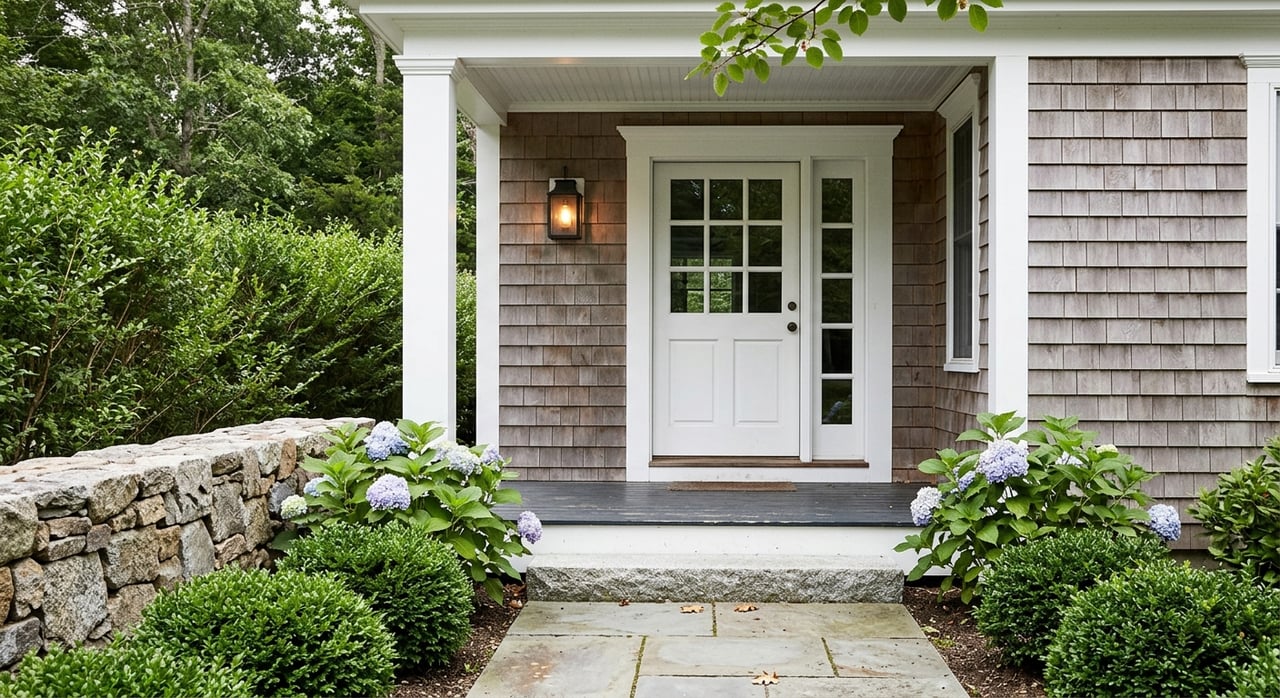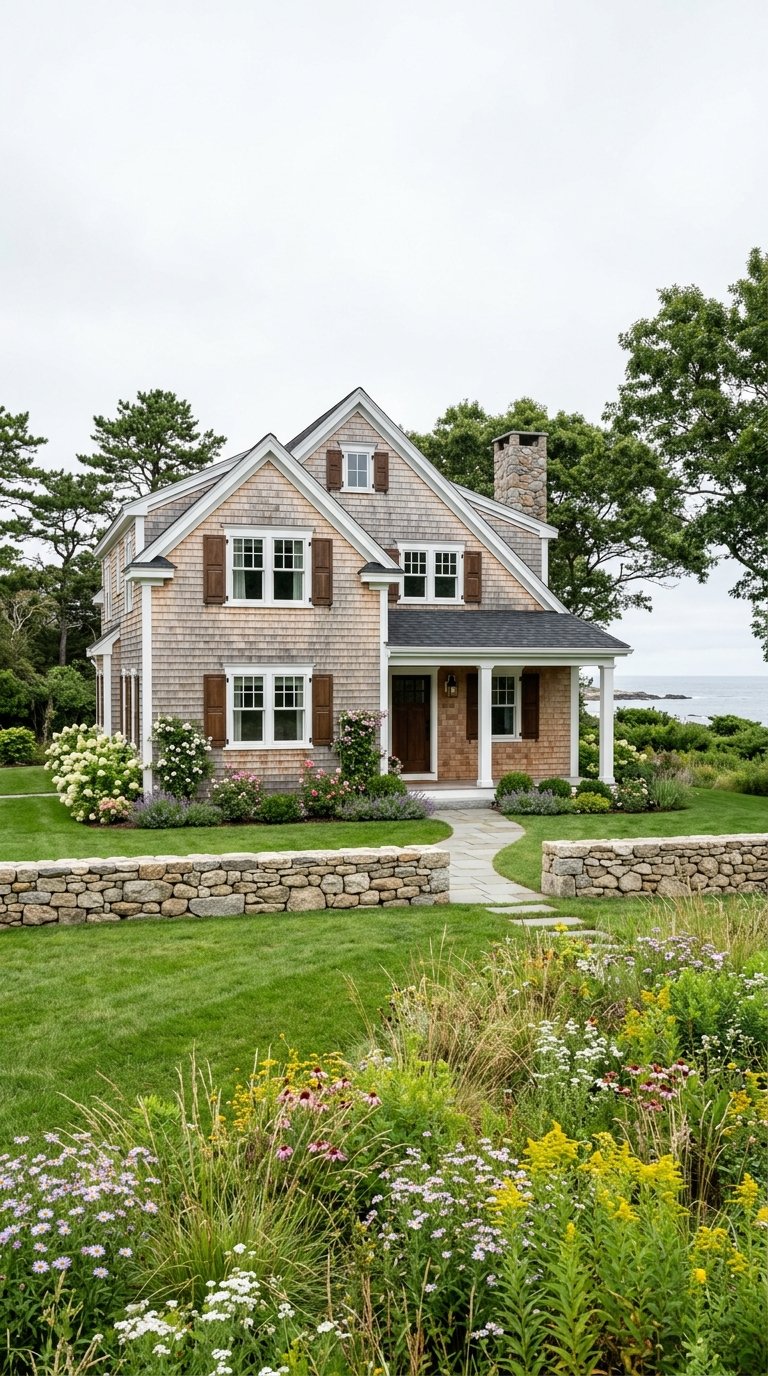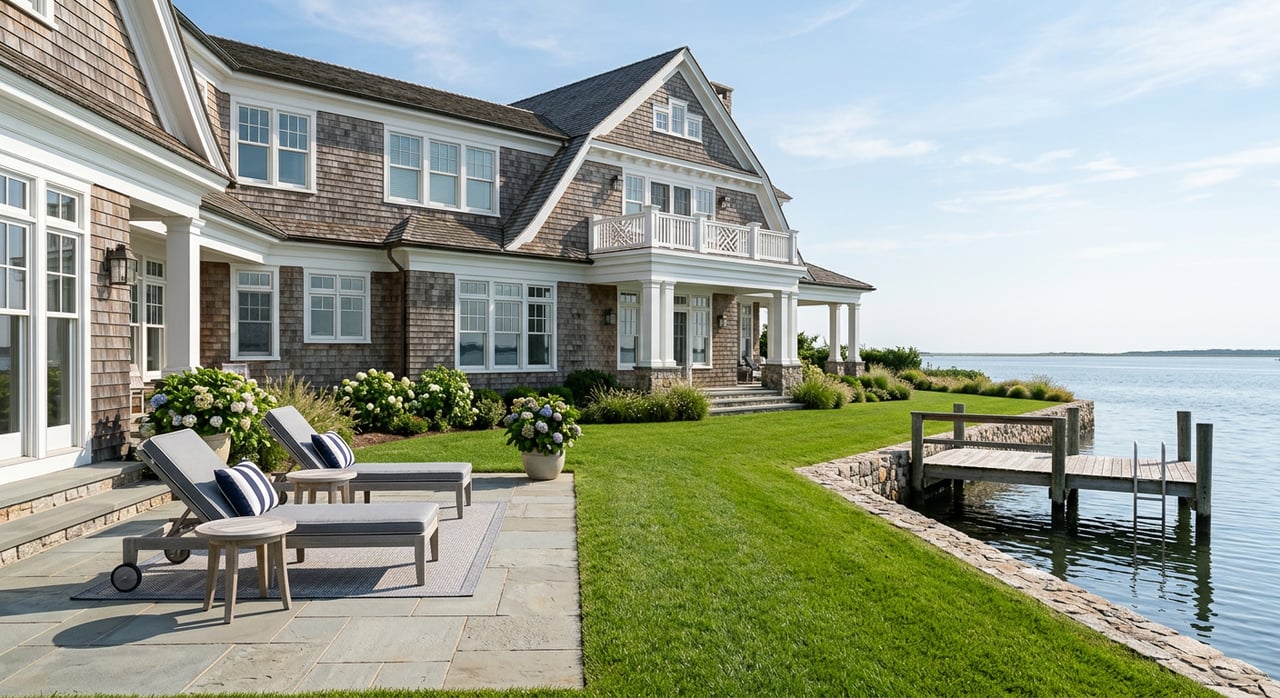
Pricing a waterfront or riverfront home in Westport is not about one shiny feature. It is about the full stack of access, views, elevation, permits, and condition that a sophisticated buyer will measure. If you are preparing to sell, you want clarity on each of those items so your price reflects real, bankable value. In this guide, you will learn exactly which features drive premiums in Westport, which documents to gather, how to select comparables, and how to position your property for the strongest offers. Let’s dive in.
What drives value on the Westport River
Property type and exposure
Start by defining your property’s category. In Westport, buyers and appraisers sort homes into three groups: full waterfront with private shoreline and a usable dock, homes with deeded or association access or a shared dock, and view-only with no legal water access. Acoaxet and Westport Harbor exposure often commands the highest absolute prices because of deepwater access and open-harbor outlooks, while Westport Point blends historic character with close harbor views. Your pricing should match the true category and exposure your home delivers.
Dock and mooring rights
A private, permitted dock or a transferable mooring can be a major premium driver. Westport requires specific dock standards and filings through the Conservation Commission, which limits length, height over mean high water, shading, and materials. Review the town’s detailed guidance in the Westport Conservation Commission’s Pier, Dock and Float Policy and confirm that any existing structure aligns with current rules. Many shoreline structures also require a state tidelands license under Chapter 91, so verify whether your pier, float, or seawall has an active license recorded at the Registry of Deeds. Finally, mooring availability and transferability are controlled locally. Confirm status and any restrictions using the town’s current mooring rules and forms, then include that record in your sales packet.
- Read the Westport dock policy and standards: Westport Conservation Commission Pier, Dock & Float Policy
- Understand state licensing for docks and seawalls: Massachusetts Chapter 91 Waterways Program
- Verify mooring rules and assignment procedures: Town of Westport Harbormaster resources
Elevation, flood and climate risk
Your first-floor elevation relative to FEMA’s Base Flood Elevation strongly influences buyer demand, insurance, and lender requirements. Order an Elevation Certificate and identify your mapped flood zone using the FEMA Flood Map Service Center. Many buyers now factor long-range sea level rise projections into offers. Use the state’s Sea Level Rise and Coastal Flooding Viewer to understand projected exposure and highlight any mitigation you have completed, such as higher finished-floor elevations, resilient utilities, or engineered shoreline protection.
Shoreline improvements and condition
A well-permitted, well-maintained seawall or revetment reduces perceived risk and helps protect value. Unpermitted or failing structures tend to invite discounts. If you have engineering reports, maintenance logs, or permits, include them. For planned work, your contractor may need state and federal coordination for navigable waters; buyers will expect to see evidence that the right path is available.
Site usability and ecological limits
Local permitting evaluates eelgrass, shellfish areas, benthic conditions, and water depths. Shallow flats, sensitive habitat, or restricted channels can limit dock size or boat draft, which reduces boating utility. The Conservation Commission’s policy explains required studies and minimum clearances. Treat boating access as a conditional asset until you have verified environmental and permit constraints.
Septic, utilities and access
Title 5 governs septic systems statewide, and coastal setbacks can constrain upgrades or bedroom counts. A recent inspection and, if needed, an approved repair or upgrade plan ease buyer concerns. Supply evidence of compliance using MassDEP’s Title 5 standards. Also address road access and winter maintenance on private lanes common in peninsula neighborhoods, and document utility resiliency and locations.
Historic character and district rules
Westport Point’s historic district oversight preserves village character and can be a benefit for many buyers. It also adds review steps for exterior work. If your property lies within the district, disclose past approvals and permitted paths for updates. The town’s annual report outlines Historical Commission roles and processes so you can speak to them accurately. See the Town of Westport report for commission context.
Use the right comparables
Segment your comps by access
When you build a pricing case, pull recent sales from the same branch of the river or the same neighborhood first. Then segment by whether each comp had private dock or transferable mooring rights, association access, or only a view. Adjust for orientation, elevation, permitted shoreline improvements, septic, lot size, and privacy. Avoid leaning on inland comps except as a bracket after you quantify the waterfront amenity differences.
Recent sale signals in Westport
Recent examples illustrate the range. Acoaxet and Westport Harbor homes with deeded waterfront, acreage, and dock or mooring access have closed above two million dollars, such as 564 River Road and 246 River Road. Riverfront property with a reported dock, like 9 Sandpiper Drive, also traded in this band. In Westport Point, historic homes with strong views and setting have reached or exceeded two million dollars, such as 5 Fairview Avenue. Smaller, view-forward cottages without private access often land closer to the one to 1.7 million dollar range, as seen with 2032 Main Road. Treat these as starting points and verify details in a formal CMA.
How appraisers treat waterfront features
Appraisers typically reconcile value with recent, close-in waterfront sales and then apply explicit adjustments for amenities and risks. Usable access, open views, elevation above BFE, private beach, and permitted shoreline work tend to add value, while flood zone location, unpermitted structures, restricted boating, or failing septic reduce it. Academic analyses back this comp-driven, amenity-adjusted method for water-proximate homes. For context on how water proximity and amenities influence value, see this peer-reviewed meta-analysis of property values and water quality.
Your pre-listing pricing checklist
Use this checklist to gather facts, reduce buyer friction, and support a premium list price.
Clear title and access documents
- Pull the deed and survey to confirm upland boundary to high or low water and any recorded rights of way or easements to the water.
- Locate and copy any recorded Chapter 91 license or Order of Conditions that references docks, floats, or seawalls. Review the Chapter 91 overview.
- Request a mooring status letter with assignment number and transfer rules from the Harbormaster. Use the town’s mooring forms and guidance.
Flood and elevation due diligence
- Order an Elevation Certificate and map the property at the FEMA Flood Map Service Center.
- If projected sea level rise or storm surge affects your parcel, include a printout from the Massachusetts Sea Level Rise viewer and list any risk-reduction measures you have completed.
Wetlands, shoreline permits and dock status
- Assemble Conservation Commission Orders of Conditions, as-built plans, and any eelgrass or benthic studies tied to your dock. Reference the Westport dock policy requirements.
- If the dock is seasonal, outline haul-out logistics and storage arrangements.
Septic, utilities and well
- Complete a Title 5 inspection and include any approved repair or upgrade plans following MassDEP Title 5.
- Note utility elevations and any resiliency upgrades like raised mechanicals.
Structural and shoreline engineering
- Provide engineering assessments for seawalls, revetments, or bulkheads, plus maintenance history and permits. If repairs are needed, obtain written estimates that buyers can underwrite.
Prepare a buyer information packet
- Include: deed and survey with MHW and MLW references, recorded easements, Chapter 91 license, Conservation orders, Harbormaster mooring record, Elevation Certificate, Title 5 inspection, and any structural or shoreline engineering reports. A concise FAQ on insurance and mitigation helps reduce early-stage price resistance.
Anticipate buyer concerns and protect your price
- Flood insurance costs. Share your Elevation Certificate and a current NFIP quote. This quantifies exposure and reduces guesswork.
- Dock or seawall permits. Include Chapter 91 documents and Orders of Conditions. If permits are missing, provide a plan to cure with a coastal engineer.
- Mooring transferability. Present the Harbormaster letter that explains whether the mooring assignment can transfer and any conditions that apply.
- Septic capacity and compliance. Provide the Title 5 report, approved plans, and, if needed, a repair escrow structure to prevent over-discounting.
- Historic district process. If applicable, include past approvals and a summary of steps for exterior work so buyers understand the path.
Pricing strategy and negotiation posture
- Lead with direct waterfront comps from the same stretch of the river or harbor. Adjust for dock or mooring rights, elevation versus BFE, orientation and exposure, septic condition, permitted shoreline work, lot size, privacy, and historic constraints or benefits.
- If your property has a rare combination, such as deepwater dock, transferable mooring, high elevation, and notable architecture, you can justify an aspirational price with longer expected time on market. Document each feature to support the ask.
- If there are unresolved permits, VE or AE zone exposure without mitigation, or a marginal septic system, reflect that in price or offer targeted concessions backed by written estimates. Bring the full documentation packet to the appraisal to help the appraiser quantify each adjustment.
A well-prepared Westport waterfront listing pairs accurate pricing with proof. When you present verified access, clean permits, elevation data, and thoughtful stewardship, you invite stronger offers and a smoother path to closing. If you would like expert guidance, schedule a private, confidential strategy session with Cherry Arnold.
FAQs
How do I price a Westport riverfront home with a shared dock?
- Start with recent riverfront sales in the same area, then adjust downward from private dock comps to reflect shared access while factoring in view quality, elevation, and mooring availability.
What documents prove legal water access and dock rights in Massachusetts?
- Your deed and survey, any recorded easements, a recorded Chapter 91 license for structures over tidelands, and Westport Conservation Commission Orders of Conditions together establish lawful access and improvements.
How do flood zones and elevation affect price and insurance in Westport?
- Homes above Base Flood Elevation with Elevation Certificates often see easier underwriting and lower premiums, while VE or AE locations without mitigation may face higher costs and buyer discounts.
Why does Chapter 91 matter for my Westport dock or seawall?
- Chapter 91 can require state licensing for piers, floats, and seawalls in tidal areas, and a recorded license helps validate the structure’s legality and support your asking price.
Can a Westport mooring assignment transfer to my buyer?
- Transferability depends on local rules and approvals; obtain a written status letter from the Harbormaster so you can disclose whether transfer is allowed and under what conditions.
Does being in the Westport Point Historic District change value?
- Historic oversight can add appeal for character-focused buyers while adding review steps for exterior work, so disclose approvals and show a clear path for sensitive updates.