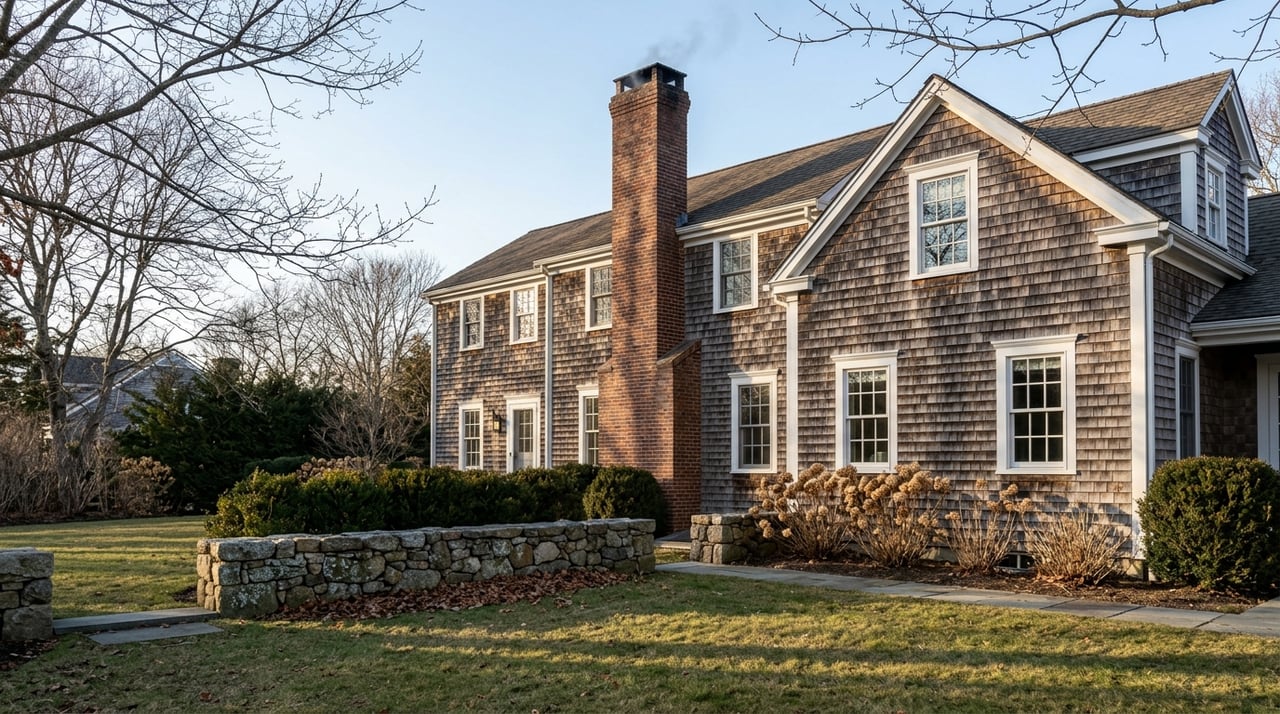
If you picture Little Compton as a place that only comes alive in summer, the full story may surprise you. This quiet Farm Coast town does swell with warm-weather visitors, but it also supports a steady year-round rhythm shaped by open land, civic traditions, and a deeply coastal way of life. If you are wondering whether Little Compton can work as more than a seasonal escape, this guide will help you see what daily life actually looks like in every season. Let’s dive in.
Why Little Compton Works Year-Round
Little Compton has long balanced two identities: a summer destination and a real hometown. According to the town profile and local historical resources, it spans 20.9 square miles of land and has a year-round population of 3,616, with that number rising to roughly 7,000 from May through August as seasonal residents return. That contrast is part of the appeal, but it also explains why living here full-time feels different from visiting in July.
The town’s history helps explain that balance. The Little Compton Historical Society’s overview of local history describes a place that evolved from an English farming town to a summer colony and, more recently, into a more practical year-round setting as remote work and home delivery became more common. In other words, Little Compton still feels timeless, but modern life has made staying longer far easier.
A Rural Coastal Setting
Part of Little Compton’s year-round draw is that it has protected its character. Town planning materials note that commercial activity is mainly concentrated in the Commons, Adamsville, and Sakonnet Point, with a small commercial base and a deliberately rural identity. If you are looking for a quieter coastal setting rather than a busier resort pattern, that distinction matters.
That rural feeling is not accidental. The Sakonnet Preservation Association’s open space summary estimates that about 60 percent of Little Compton was open space as of December 2019, including forests, fields, wetlands, and working agricultural land. About 25 percent was protected open space, while 35 percent remained unprotected and vulnerable to future subdivision or development.
For a full-time homeowner, that landscape shapes daily life. The scenery is not just something you admire on vacation. It becomes part of your morning drive, your evening walk, and the overall pace of how you live.
What Changes With the Seasons
Little Compton is unquestionably seasonal in some ways. A current town hazard plan notes that about 946 housing units were vacant in the 2018-2022 ACS, with most of those units identified as vacation homes. That gives the town a very different feel in February than it has in July.
Summer brings a visible shift. Beach management increases, museums expand seasonal programming, and the population rises sharply. The Nature Conservancy’s Goosewing Beach Preserve page explains that South Shore Beach adds summer lifeguards, non-resident parking fees generally apply from Memorial Day to Labor Day, and dogs are prohibited from April 1 to September 1.
But the key point for buyers is this: the town does not shut down when summer ends. Local institutions, public spaces, and outdoor access continue beyond beach season, which is what separates a true year-round retreat from a place that goes quiet for half the year.
Everyday Life Beyond Summer
If you are considering a primary home or a long-stay second home, it helps to look at what remains active in the off-season. In Little Compton, the answer is more than you might expect.
The Brownell Library listing shows weekday and Saturday hours, giving the town a public anchor that serves residents throughout the year. Town government also maintains a regular civic calendar, including monthly Town Council meetings and the annual Financial Town Meeting in May, according to the Historical Society’s local history materials.
Community organizations also help create continuity. The Historical Society offers year-round guided tours by appointment, seasonal museum hours, and annual events such as the Cider Social. The Little Compton Community Center calendar includes winter programming like Circle of Friends and Cabin Fever Fridays, along with summer camp.
That combination matters. It means year-round life here is not only about solitude and scenery. It also includes a real civic rhythm, with shared spaces and recurring events that continue after the summer traffic fades.
Shoreline Access in Every Season
For many buyers, the coast is the reason to be here in the first place. What makes Little Compton distinctive is that the shoreline remains part of daily life even when it is not beach weather.
The Goosewing Beach Preserve is open year-round during daylight hours and offers a mile-long beach walk with Atlantic views. The preserve also supports important habitat for piping plovers, least terns, herons, and migrating songbirds, which gives the landscape a strong conservation identity rather than a purely recreational one.
That year-round access changes the idea of a coastal retreat. In summer, the shoreline may mean swimming, parking rules, and managed beach days. In the off-season, it can mean long walks, quieter views, shifting weather, and a deeper connection to the natural setting.
Conservation Shapes the Lifestyle
Little Compton’s preserved character is one of its clearest advantages for buyers who value stewardship. Open land is not just a backdrop here. It is central to how the town feels and functions.
The Sakonnet Preservation Association says it has conserved more than 467 acres since 1972. That work, combined with the broader open-space footprint, helps preserve the fields, wetlands, and coastal edges that define the town’s visual identity.
This has practical value as well as aesthetic value. A place with substantial open land often offers a stronger sense of separation, privacy, and continuity in the landscape. For buyers seeking a retreat that still feels authentic in winter, that can be more compelling than a dense coastal village built mainly around peak-season activity.
Schools and Long-Term Planning
For households thinking about a permanent move, school structure is an important part of the decision. Little Compton offers a very local model in the earlier years.
According to the Little Compton School Department, Wilbur & McMahon Schools serves PreK through grade 8 and is an International Baccalaureate World School serving public and tuition students. The district also states that high school students are tuitioned out to Portsmouth High School.
That arrangement tells you something important about the town. The local school experience is small and place-based through eighth grade, while later grades follow a regional path. For some buyers, that will feel like a natural fit. For others, it is a detail worth weighing early in the search process.
Practical Tradeoffs of Full-Time Living
Every year-round coastal town comes with practical considerations, and Little Compton is no exception. If you are comparing it with more built-up areas, understanding the tradeoffs is part of making a smart decision.
The town’s 2024 hazard plan says Little Compton has no public water or sewer systems, no hospitals, no full-scale grocery markets, and is geographically remote from highway access. The same document notes that commercial development is limited and concentrated in a few nodes, including the Commons, Adamsville, and Sakonnet Point.
For the right buyer, these are not drawbacks so much as defining features. They support the town’s quiet, rural character, but they also require a little more planning for day-to-day logistics. If you want convenience at every corner, this may feel remote. If you want space, privacy, and a stronger sense of place, that same remoteness may be exactly the point.
Climate and Coastal Reality
A year-round retreat also means experiencing the coast in every mood, not just on blue-sky weekends. Rhode Island’s climate is changeable, and coastal ownership comes with conditions that deserve thoughtful attention.
The Rhode Island Department of Environmental Management says statewide annual average temperatures generally range from 49°F to 52°F, while coastal lowlands average about 45 to 50 inches of precipitation each year. NOAA’s Rhode Island climate summary, cited in the same research set, adds that the state has warmed by more than 3°F over the past century and that sea level at Newport has risen by more than 9 inches since 1930.
Those facts matter for coastal homeowners. Winter storms, erosion risk, and changing flood patterns are part of the real ownership picture, especially near the shoreline. In Little Compton, the beauty is lasting, but it is not static, and thoughtful buyers tend to appreciate that honesty.
Is Little Compton Right for You?
Little Compton works best for buyers who want a quieter coastal life that holds together in every season. It offers natural beauty, civic continuity, and a preserved rural setting that feels increasingly rare along the Northeast coast.
At the same time, it asks for a certain mindset. You need to be comfortable with limited services, a small-town scale, and a pace that is more grounded than resort-driven. For many people, that is exactly what transforms a summer destination into a lasting retreat.
If you are exploring Little Compton as a primary residence, legacy property, or second home with year-round appeal, working with a local advisor can help you weigh not just the house, but the setting, services, and stewardship that come with it. For tailored guidance on Little Compton and the Farm Coast, connect with Cherry Arnold.
FAQs
What makes Little Compton feel year-round instead of purely seasonal?
- Little Compton has a permanent population, active civic institutions, year-round library access, ongoing community programming, and preserve access beyond beach season, even though the town gets much busier in summer.
How seasonal is housing in Little Compton?
- The town’s hazard plan says about 946 housing units were vacant in the 2018-2022 ACS, with most of those units considered vacation homes, which points to a strong seasonal housing pattern.
What schools serve students in Little Compton?
- Wilbur & McMahon Schools serves PreK through grade 8 in town, and the district says high school students are tuitioned out to Portsmouth High School.
What stays open in Little Compton during winter?
- Brownell Library keeps weekday and Saturday hours, town government continues its regular meeting schedule, and community organizations such as the Historical Society and Community Center offer programming outside the summer season.
Is Goosewing Beach Preserve open year-round in Little Compton?
- Yes. The Nature Conservancy says Goosewing Beach Preserve is open year-round during daylight hours, although summer rules and seasonal restrictions apply.
What practical service limits should year-round buyers know about in Little Compton?
- The town’s 2024 hazard plan says Little Compton has no public water or sewer systems, no hospitals, no full-scale grocery markets, and relatively remote highway access, so full-time living may require more planning than in larger towns.