If you are selling a historic East Side home, a standard listing rarely does it justice. Providence’s East Side includes places with very different architectural stories, from the eighteenth- and nineteenth-century character of College Hill to the later housing stock found in parts of Blackstone. To reach the right buyer, your marketing needs to capture craftsmanship, context, and ownership facts with equal care. Let’s dive in.
Why East Side homes need a different approach
Providence’s East Side is not one uniform market, and that matters when you prepare a listing. City materials describe Ward 2 as including Blackstone, College Hill, and Wayland, each with its own built history and streetscape character. A smart marketing plan starts by identifying what is specific to your property rather than leaning on a broad neighborhood label.
That distinction matters because historic value is often tied to setting, architecture, and preservation context. Providence’s Comprehensive Plan treats historic preservation as an economic development tool, and it reports that 7% of the city’s land area is within local historic districts while local and national districts together cover 31% of the city. It also notes more than $300 million in construction spending in local historic districts since late 2013, which supports a stewardship-minded presentation for special homes.
For you as a seller, that means the story should be more thoughtful than square footage, bedroom count, and a few attractive photos. Buyers considering an East Side property often want to understand not just the house, but also its architectural era, its updates, and how it fits into Providence’s historic fabric.
What cinematic storytelling really means
Cinematic storytelling is not about making a home look unreal. It is about creating a polished, immersive presentation that helps buyers understand how the house lives, what makes it memorable, and what ownership looks like in practical terms.
For historic East Side homes, that usually means combining several visual tools into one clear package. Industry guidance supports using strong photography, video, virtual tours, and floorplans so buyers can evaluate the home online with confidence. Narrative copy also plays an important role because it helps buyers picture daily life in the property.
This matters even more when buyers are shopping from a distance. Some buyers are willing to move forward before they ever step inside, which means your online presentation is not a backup plan. It is a central part of the sale.
Start with the home’s true identity
Before the cameras come out, the first step is defining the property accurately. It is not enough to say a home is “historic” because historic status can be parcel-specific.
A plaque or neighborhood reputation does not automatically mean a property falls under Providence Historic District Commission jurisdiction. The city notes that a Providence Preservation Society plaque alone does not establish PHDC jurisdiction, and owners should verify designation through the city’s GIS tools. In marketing, the most credible approach is to distinguish between architectural significance, neighborhood context, and formal regulatory status.
That level of accuracy builds trust. It also helps you avoid overclaiming while still highlighting the details that make the home stand out.
Show craftsmanship without hiding condition
The best historic-home marketing is visually rich, but still honest. Buyers respond to beautiful presentation, yet they also need a realistic sense of condition, scale, and maintenance.
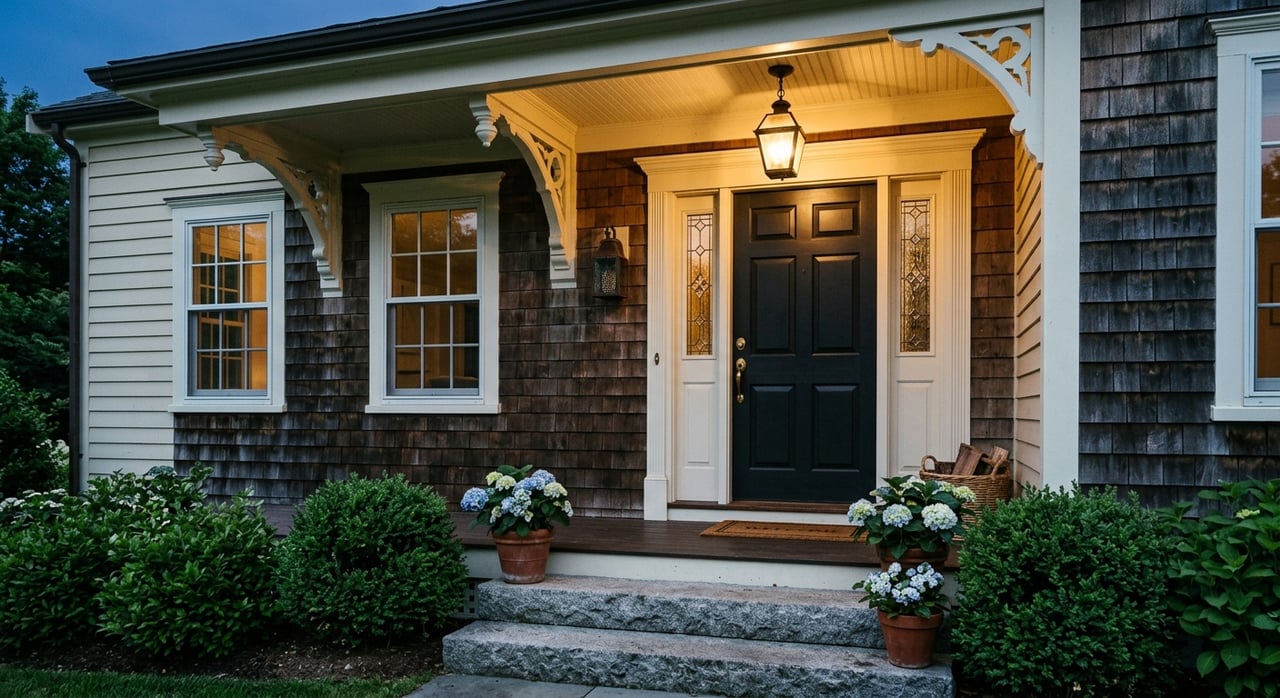
That balance is especially important for older Providence homes. PHDC guidance warns that inappropriate siding can obscure important features such as wood clapboards, shingles, brackets, moldings, and window or door surrounds. In other words, the visual story should reveal craftsmanship rather than smooth over it.
A polished listing should feel documentary in spirit. Your photos and video can be elegant and cinematic, but they should not disguise known issues or create a version of the property that a buyer will not actually experience.
Focus on the rooms that carry the story
Not every room needs the same level of attention. Recent staging research shows that buyers and their agents place high importance on photos, physical staging, videos, and virtual tours, and that staging helps buyers visualize the home as their future residence.
For many homes, the living room, primary bedroom, and dining room are the spaces most often prioritized. On the East Side, that often aligns well with how buyers respond to historic homes. The arrival sequence, gracious entertaining rooms, stair halls, fireplaces, millwork, and other strong character moments usually do more to shape buyer emotion than trying to style every secondary room the same way.
When done well, this creates a natural narrative. Buyers move from first impression, to architectural detail, to the spaces where daily life and entertaining would unfold.
Pair beauty with practical ownership facts
A strong emotional story is only half the job. Buyers also want concrete information that helps them decide whether the home fits their budget and expectations.
Online marketing guidance recommends including financial facts such as taxes and other costs so buyers can make informed decisions. For a historic East Side property, this practical layer can also include a clear summary of updates, maintenance history, and any relevant certificates or reports.
That combination is powerful because it respects how buyers actually make decisions. They may fall in love with original details and elegant rooms, but they still need to understand the real ownership picture.
Disclosure should strengthen trust
In Rhode Island, seller disclosure is not optional background paperwork. It is part of the transaction framework and should shape how you prepare a home for market.
State law requires sellers to provide a written disclosure of deficient conditions actually known to them before an agreement to transfer real estate is signed, and the agreement must acknowledge that the disclosure was delivered. The disclosure framework is broad and can include items such as year built, roof, fireplaces, lead inspection reports, hazardous waste, mold, ventilation-system modifications, and moisture penetration or damage.
For marketing, this does not mean leading with problems. It means preparing a clean, confident package that balances architectural character with documented facts. Buyers are more likely to trust a listing that feels complete and transparent.
Lead paint matters in older homes
Lead compliance deserves special attention in Providence’s older housing stock. If your home was built before 1978 and contains one to four units, Rhode Island’s lead rules require specific disclosures and documentation.
Sellers must provide the EPA lead pamphlet with the Rhode Island insert, include the required lead warning statement and written acknowledgment, disclose known lead hazards, provide current lead certificates and inspection reports, and allow a 10-day inspection period. The Rhode Island Department of Health also states that if exterior lead paint is disturbed, state law requires 7 days’ written notice to neighbors within 50 feet.
This is one more reason a stewardship-minded marketing process matters. If exterior prep work is part of your launch plan, these requirements should be considered early, not days before the listing goes live.
Plan exterior changes early
Many sellers ask how much they can modernize before listing. In Providence, the answer often depends on whether the work is inside or outside.
The city states that the Providence Historic District Commission reviews exterior work and the property’s setting, but not interior alterations. For locally designated historic properties, a Certificate of Appropriateness or written exemption is needed before a permit can be issued, and the city says the commission has 45 days to act on a complete application.
If you are thinking about refreshing a facade, porch, windows, siding, or other exterior elements, timing is critical. Because unapproved work can be flagged during permit review, it makes sense to plan exterior repairs well ahead of your intended launch date.
How film-grade marketing supports premium positioning
Historic East Side homes often attract buyers who care about design, provenance, and place. They are not simply comparing bedroom counts. They are comparing how a property feels, how well it has been cared for, and whether the presentation reflects its value.
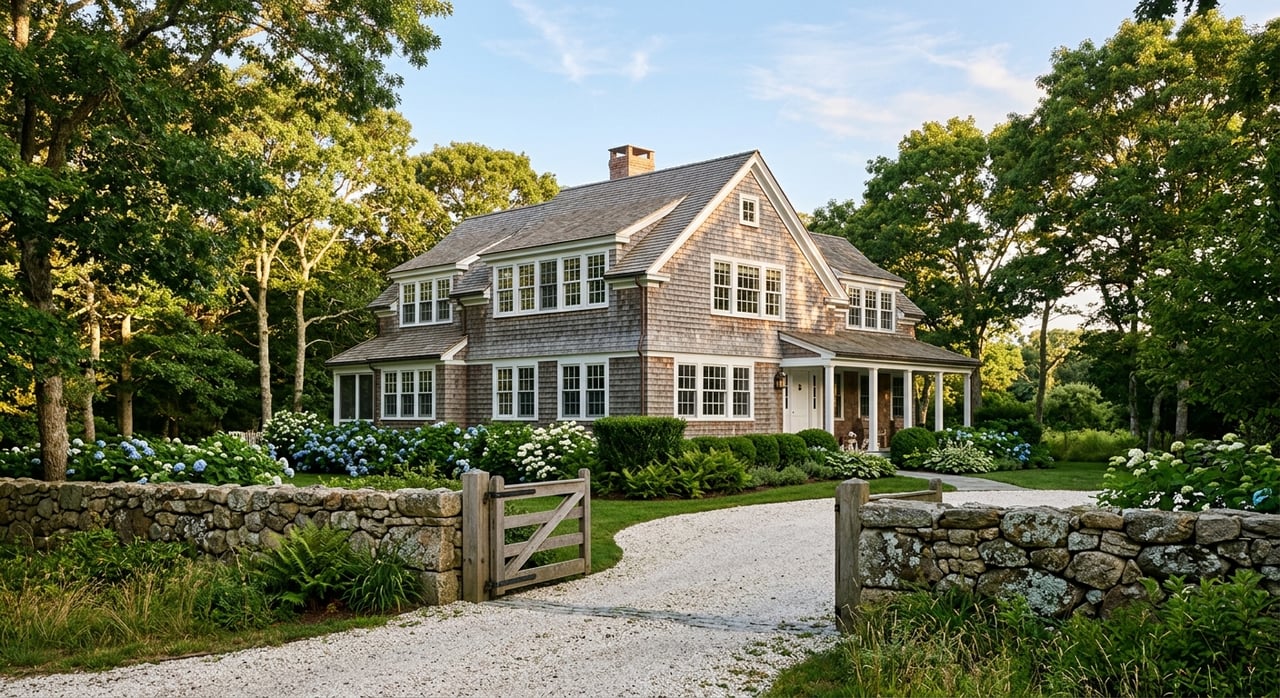
That is where film-grade marketing can elevate a listing. Strong still photography, measured staging, thoughtful video, and clear copy can show how morning light moves across original floors, how formal rooms connect for entertaining, or how a garden and facade create a sense of arrival. When the story is grounded in facts, that atmosphere adds credibility instead of gloss.
For a premium seller, the goal is not volume. The goal is alignment between the property, the message, and the buyer most likely to appreciate both.
A better way to market a historic home
The strongest East Side listings balance romance and rigor. They honor the home’s architecture, present it beautifully online, and answer the practical questions serious buyers will ask.
That approach fits Providence’s market realities. It also helps your home stand apart in a way that feels polished, accurate, and worthy of its history.
If you are preparing to sell a historic or architecturally significant property in Providence, Cherry Arnold offers boutique representation shaped by cinematic storytelling, careful stewardship, and a refined marketing process.
FAQs
What makes East Side homes in Providence different to market?
- East Side homes span very different architectural periods and neighborhood contexts, so marketing works best when it reflects the property’s specific history, setting, updates, and regulatory status rather than using a one-size-fits-all approach.
What should cinematic storytelling include for a Providence historic home?
- A strong package typically includes professional photography, video, floorplans, narrative listing copy, and clear facts about updates, maintenance history, taxes, and other ownership details.
Does a plaque mean a Providence home is in a historic district?
- No. The city says a plaque by itself does not establish PHDC jurisdiction, so sellers should verify whether the parcel is actually within a local historic district.
Do Providence historic homes need special disclosure before sale?
- Yes. Rhode Island requires sellers to provide written disclosure of deficient conditions they actually know about before a transfer agreement is signed, and older homes may also require lead-related disclosures and documentation.
Can you update the exterior of a historic East Side home before listing?
- Sometimes, but exterior changes that affect appearance may require PHDC review for locally designated historic properties, so it is wise to plan exterior work early.
Why do online visuals matter so much for East Side listings?
- Many buyers begin their search online, and some may evaluate or even pursue a property from a distance, so strong visuals and accurate information are a core part of the marketing strategy.