What does it look like to live where oysters come out of the river, produce comes off nearby fields, and a beach day can sit in the same weekend as a farmers market run? In Westport, that mix is not a trend. It is part of the town’s everyday rhythm, shaped by shoreline, working water, and village life. If you are exploring Westport for a primary home, a second home, or a long-term coastal retreat, this guide will help you understand how the town’s farm and sea-to-table lifestyle shows up in daily living. Let’s dive in.
Westport’s coastal identity
Westport is the westernmost town on Buzzards Bay, with 61 miles of shoreline along Buzzards Bay and the two branches of the Westport River. The town covers 49.8 square miles and has a population of 16,461, which gives it a broad, open feel rather than a tightly built center.
Instead of one compact downtown, Westport is organized around smaller village areas including Westport Point, Head of Westport, South Westport, Westport Harbor, Acoaxet, North Westport, and Central Village. For you as a buyer or seller, that means lifestyle can vary meaningfully from one part of town to another.
About 85% of Westport lies within the Buzzards Bay watershed. That helps explain why water, land conservation, and shoreline management feel woven into the town’s identity rather than treated as separate concerns.
Farm and sea-to-table living
In Westport, the connection between home and food can feel unusually direct. The town’s food culture is shaped by oyster farming, market gardens, local farm stands, and restaurants that stay closely tied to the working waterfront.
Westport Sea Farms has been farming oysters in the Westport River since 2009 and sells them directly from the river to customers. Spindrift Oysters also farms year-round in Westport’s coastal waters and has operated since 2015, adding another layer to the town’s shellfish story.
State shellfish maps identify BB1 Westport South Coastal and BB3 West Branch Westport River as designated shellfish growing areas. Those maps are informational only and do not show current open or closed status, but they still reflect how central shellfish waters are to the area’s identity.
On the farming side, Groundwork Farm is a two-acre hand-tended market garden on Pine Hill Road with a farm stand offering produce, flowers, eggs, and more. The Neighborhood Farm sells through summer and winter markets as well as pre-orders, and the Keith Farm connects its produce to local food businesses and a weekly farmers market.
This matters from a lifestyle perspective because Westport is not just scenic. It is productive. You are living in a place where the landscape still supports working farms, shellfish culture, and small-scale food businesses.
Westport Town Farm adds another layer
Westport Town Farm broadens the picture beyond shopping and dining. It is a 40-acre riverfront preserve with trails, an antique farmhouse, a dairy barn, a hay meadow, and salt-marsh frontage.
For many buyers, places like this help define the feeling of Westport. They reinforce the town’s agricultural and coastal character while offering a preserved landscape that supports recreation and a sense of continuity.
Dining stays tied to the water
Westport’s dining scene also reflects this working coastal setting. Bayside Restaurant in South Westport says its fresh seafood comes straight off boats in New Bedford and the Boston waterfront.
That detail says a lot about the local rhythm. Even when you sit down for a meal, you are still connected to the larger marine economy that shapes this part of the South Coast.
Beaches, boating, and river access
If you are drawn to Westport for the water, you have several ways to experience it. The town’s coastal lifestyle includes beaches, boating access, fishing, and river use that can shape how you spend both everyday mornings and summer weekends.
Horseneck Beach State Reservation is a two-mile beach and one of Massachusetts’ most popular beach destinations. It offers swimming, camping, fishing, sailing, boating, a boat ramp, and access to the Gooseberry Island Public Boat Launch from West Shore Road.
Horseneck is separately managed by the state, which is useful to know if you are comparing access options across town. It functions as a major public coastal resource with a broader regional draw.
Cherry & Webb Beach serves a different role. It is the local town beach on the river inlet and salt-marsh edge at Horseneck Point, offering a more town-based beach experience.
Town beach passes are limited to Westport residents or property owners and apply only to Cherry & Webb or Children’s Beach, East Beach, and Knubble Beach. For some buyers, that local access can be part of the appeal of ownership in Westport.
The river supports recreation and stewardship
The Westport River is not only scenic. It is also actively managed in ways that support boating, environmental quality, and shellfish waters.
According to the Westport Harbor Master, the Westport River is a no-discharge zone and free pump-out service is offered from May through October. That structure helps the river work as a recreation corridor, a shellfish resource, and a neighborhood amenity at the same time.
For buyers who value boating, kayaking, or water access, this balance between use and stewardship is often part of what makes Westport distinctive.
Housing reflects the landscape
One of Westport’s most compelling qualities is that the housing stock reflects the town’s geography and history. Rather than one repeating pattern, you will find a mix shaped by village centers, farmland, waterfront, and seasonal coastal use.
Westport Point is one of the clearest examples. The Westport Historical Society describes it as a village shaped by a protected harbor, fertile farmland, and early maritime use.
A historical society essay also notes that the Point’s main road today is shared by local residents, fishermen with boats docked at the end of the Point, dog walkers, and drivers moving through a setting of preserved older houses and water views. That combination helps explain why the village feels layered and lived-in rather than simply picturesque.
Historic homes in Westport Point
The Westport Point Historic District includes Cape, Georgian, and Greek Revival houses. Exterior changes visible from public ways can be reviewed under district guidelines to help preserve the area’s character.
If you are considering a historic property, that context matters. Preservation can help sustain long-term visual integrity, and it can also shape how future exterior projects are approached.
Other villages tell different stories
Acoaxet developed as a late-19th-century summer colony with large cottages, bathhouses, boarding hotels, and recreational facilities. That history still helps frame how buyers understand the area’s seasonal and coastal character.
The Head of Westport followed a different path, evolving from mill and shipbuilding activity into a more suburban residential area. Together, these patterns show why Westport should be understood village by village, not as a one-note market.
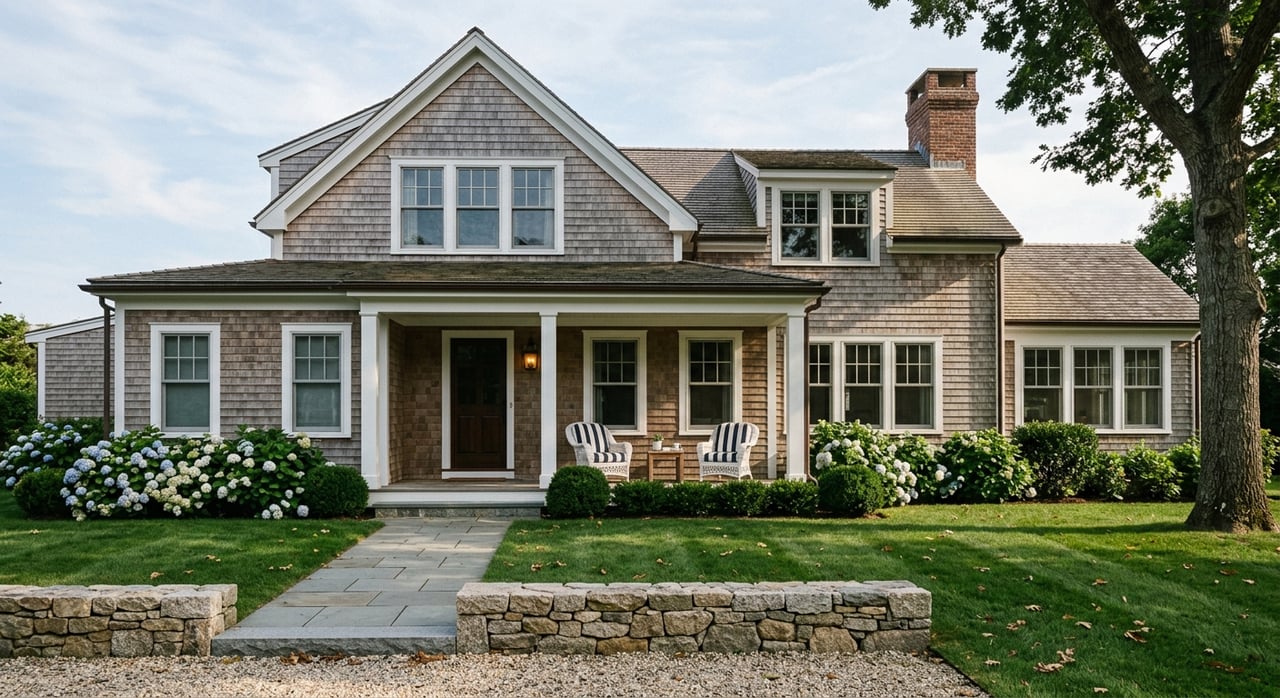
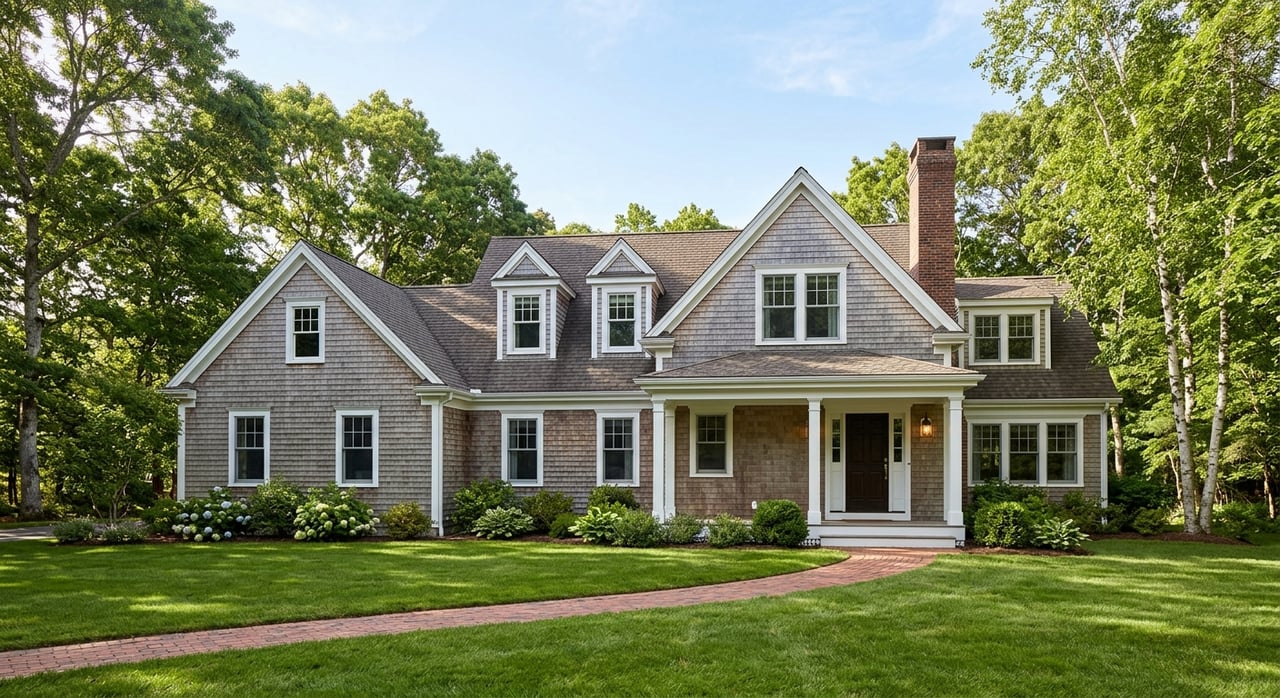
Looking across the town, the housing mix is best understood as a blend of historic village houses, summer cottages, waterfront properties, and acreage-oriented farm parcels. For buyers seeking a specific coastal lifestyle, that range creates real choice.
Climate awareness is part of ownership
In Westport, environmental awareness is part of practical homeownership. Mass.gov identifies coastal flooding, inland flooding, and extreme temperatures as climate hazards in town.
The Buzzards Bay watershed also faces sea-level rise, warming waters, and stronger storms. In a place so tied to shoreline and river systems, these realities shape planning, maintenance, and long-term stewardship.
For buyers and sellers alike, this does not diminish Westport’s appeal. Instead, it underscores the importance of understanding the setting clearly, especially when evaluating waterfront, riverfront, marsh-edge, or other coastal properties.
Why Westport stands out
Westport offers something that can be difficult to replicate along the New England coast. You get beaches and boating, but also farms, market gardens, preserved land, shellfish waters, and village settings with distinct architectural histories.
That combination creates a lifestyle that feels both relaxed and rooted. One day might include time on the river, a stop at a farm stand, and dinner shaped by the working waterfront. Another might center on trails, open land, and the quiet structure of a historic village.
For many buyers, that is the real draw. Westport is not just coastal. It is a place where land and water still actively shape how people live.
If you are considering a purchase or sale in Westport, thoughtful guidance matters, especially when the property involves waterfront positioning, historic character, acreage, or a stewardship-minded transition. To explore Westport’s Farm Coast opportunities with discretion and local insight, schedule a private consultation with Cherry Arnold.
FAQs
What makes Westport’s sea-to-table lifestyle unique?
- Westport’s lifestyle is shaped by active oyster farming in the Westport River, local farms and market gardens, farm stands, farmers markets, and restaurants tied to the working waterfront.
What beaches can property owners access in Westport?
- Westport property owners may be eligible for town beach passes for Cherry & Webb or Children’s Beach, East Beach, and Knubble Beach, while Horseneck Beach State Reservation is separately managed by the state.
What kinds of homes are found in Westport, MA?
- Westport includes historic village houses, summer cottages, waterfront properties, and acreage-oriented farm parcels, with character that varies by village area.
What is special about Westport Point for homebuyers?
- Westport Point combines a protected harbor setting, preserved older homes, water views, and a historic district that includes Cape, Georgian, and Greek Revival houses.
What should buyers know about coastal conditions in Westport?
- Westport faces coastal flooding, inland flooding, and extreme temperatures, and its broader watershed is affected by sea-level rise, warming waters, and stronger storms, so property setting and long-term stewardship are important considerations.