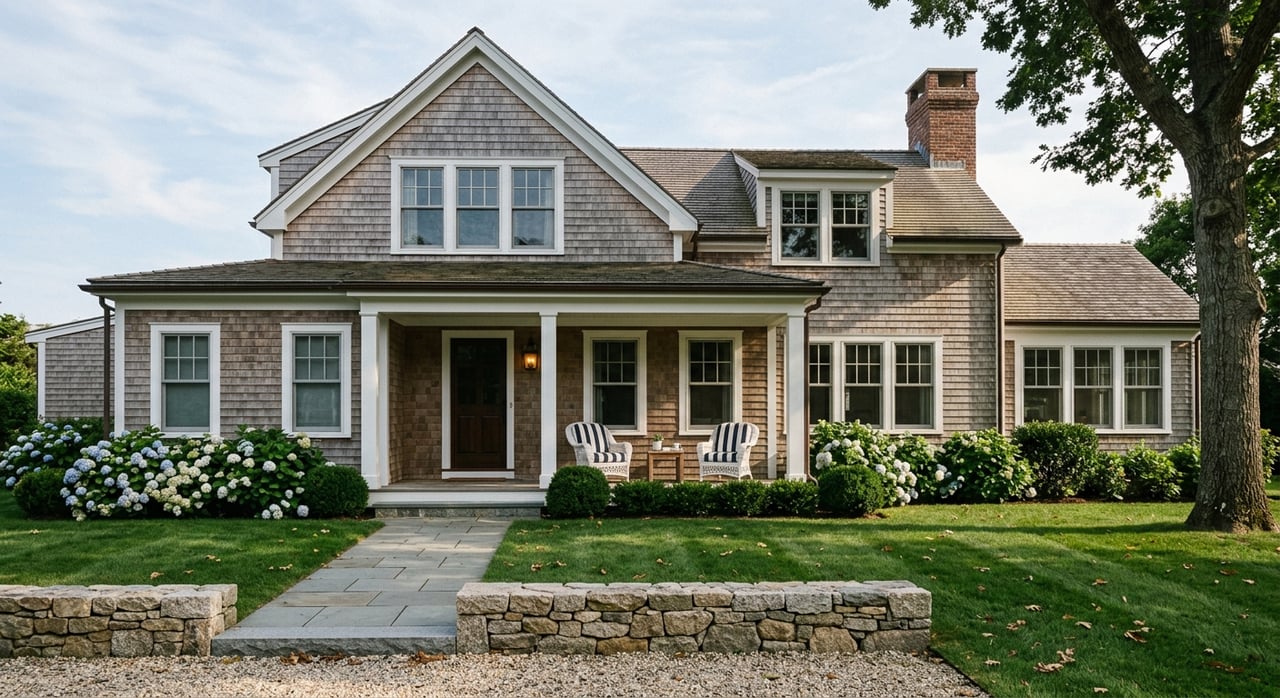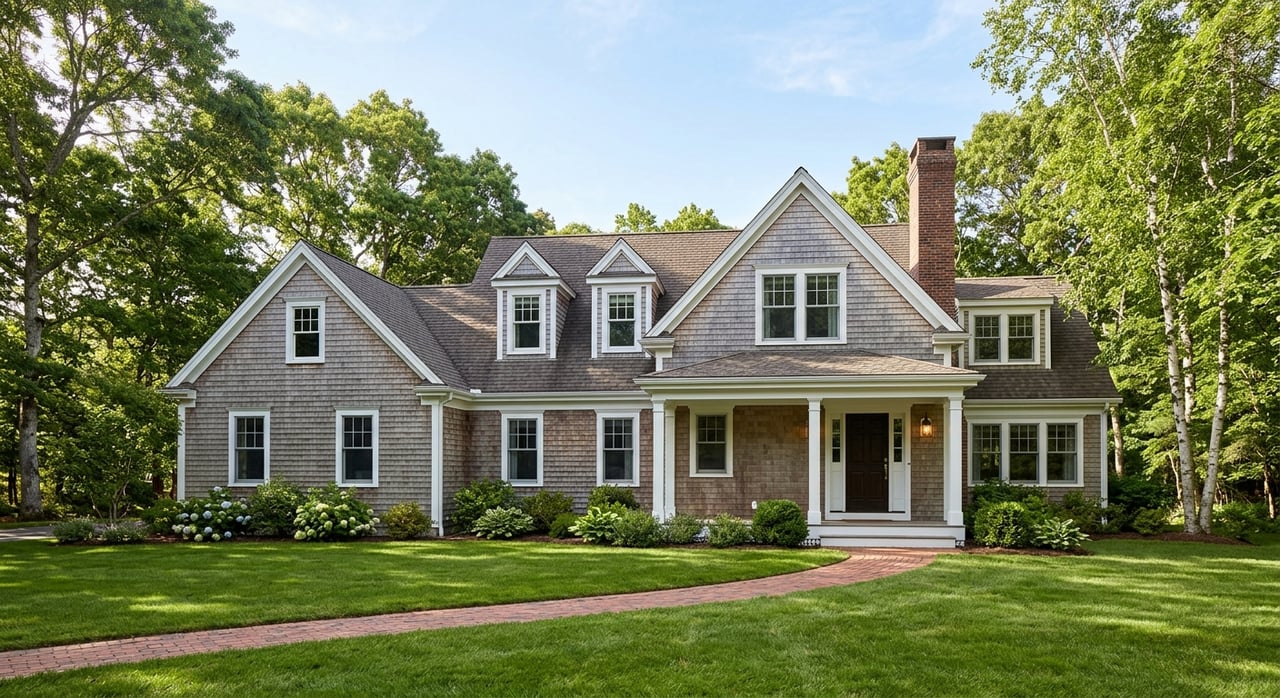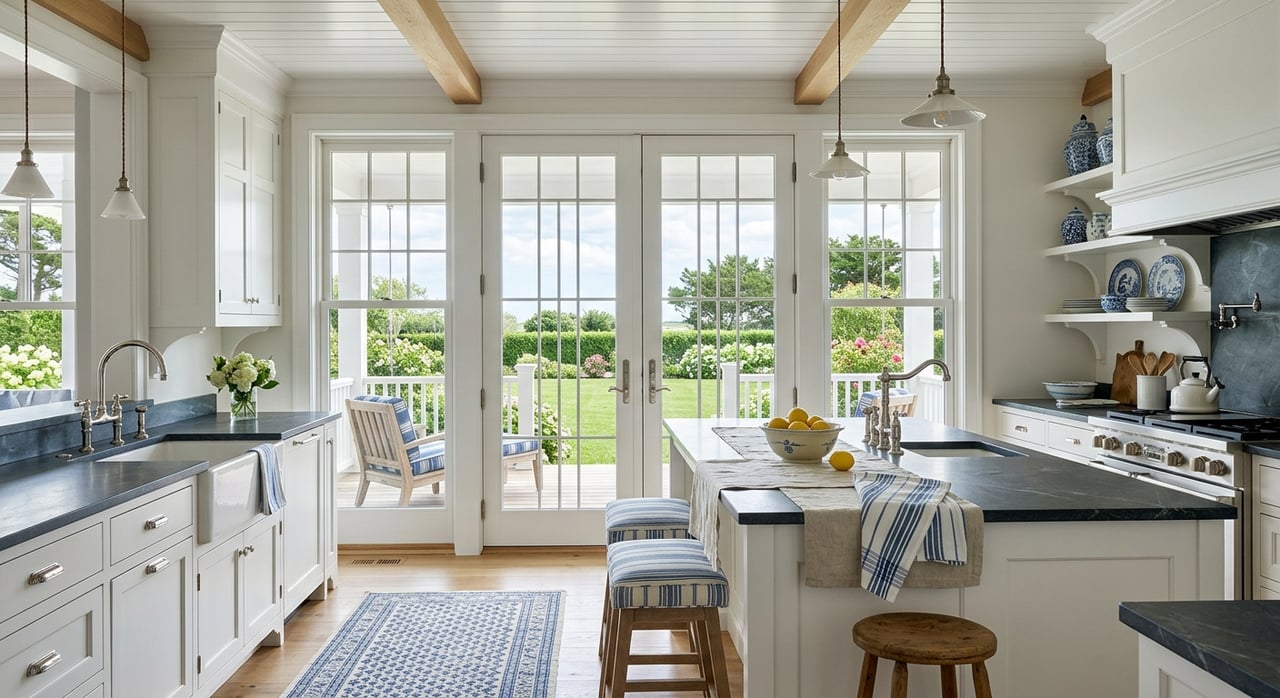
Selling a waterfront home in South Dartmouth is not the same as selling a house a few streets inland. Buyers are drawn to the light, the shoreline, and the boating lifestyle, but they also look closely at flood documents, marine structures, maintenance history, and signs of long-term care. If you want to present your property with confidence and reduce friction before it reaches the market, thoughtful preparation matters. Let’s dive in.
Why waterfront prep matters here
South Dartmouth sits along the Buzzards Bay shoreline and estuaries that include the Slocum River, Little River, Apponagansett River, and Clark’s Cove. In this setting, a waterfront property is part of a managed marine environment, with local oversight tied to Padanaram Harbor, moorings, buoys, channel markers, and the town boat landing.
That local context shapes how buyers evaluate a home. They are not only noticing views and outdoor rooms. They are also weighing stewardship, access, shoreline condition, and how the property has been maintained within a coastal setting.
Massachusetts coastal guidance also makes one point clear: coastal areas face real exposure to sea-level rise, storm surge, and tidal flooding. State resources note that flooding can lead to mold and other property damage, which is why waterfront sellers benefit from treating pre-listing work as both presentation and risk management.
Start with your paperwork
Before you think about photography or staging, gather the documents that help a buyer understand the property clearly. For a South Dartmouth waterfront home, that often means floodplain information, septic records, and any paperwork tied to shoreline or marine improvements.
A clean, organized seller file helps reduce uncertainty. It also supports a more polished marketing process, especially when buyers are comparing several high-value coastal properties at once.
Septic records and Title 5
If your home uses septic, Massachusetts says sellers should have the system inspected. Sale-related Title 5 inspections are generally valid for two years, or three years if you have annual pumping records.
If weather prevents the inspection before closing, state guidance allows it to be completed up to six months after transfer, provided the buyer receives written notice. If your property has an innovative or alternative septic system, it is also smart to gather the maintenance contract, operating cost information, service receipts, pump-out records, and maintenance history before you go to market.
Floodplain documents
Dartmouth maintains floodplain information and FEMA floodplain maps, and these materials are worth pulling early. If you have an elevation certificate, include it in your prep file.
FloodSmart notes that an elevation certificate records the first-floor height relative to expected floodwaters and may help support flood-insurance pricing. For buyers considering a coastal purchase, that kind of clarity can be meaningful.
Dock, pier, and seawall permits
If your property includes a dock, pier, bulkhead, or seawall, document what exists and what work has been done. Dartmouth’s wetlands regulations require permits for any new dock or pier, whether fixed or floating, permanent or seasonal.
Repairs may also require review if they alter dimensions, shape, function, or disturb the bottom. If you are considering improvements before listing, confirm the permit path first rather than assuming a simple repair is truly simple.
Be careful with last-minute exterior work
Waterfront sellers often want to freshen the shoreline, refine plantings, or adjust outdoor spaces before launch. That instinct makes sense, but coastal properties come with added rules.
MassDEP says some construction and landscaping in coastal resource areas or within the 100-foot buffer zone can require permits. In other words, last-minute hardscape, shoreline edits, or even some planting plans should be checked before work begins.
What to avoid rushing
A rushed exterior project can create delays instead of value. Before starting any waterfront-facing work, pause and verify whether approvals may be needed.
Common examples to review first include:
- Shoreline landscaping changes
- New or expanded hardscape
- Dock or pier repairs beyond routine upkeep
- Bulkhead or seawall alterations
- Work near coastal resource areas or within the 100-foot buffer zone
Prioritize trust-building improvements
Not every pre-sale dollar should go into a large project. On a waterfront home, buyers often respond best to visible care, sound maintenance, and records that show the property has been responsibly stewarded.
Massachusetts coastal guidance notes that deteriorating coastal structures can be difficult to maintain because of material costs, erosion, wave forces, and sea-level rise. That makes it especially important to focus on updates that reduce concern rather than create new questions.
Improvements that often help most
The best pre-listing work is usually the kind that makes the home feel well-kept and credible from the start. Think less about flashy changes and more about removing evidence of deferred maintenance.
That can include:
- Fixing leaks or water staining
- Refreshing worn paint or finishes
- Cleaning glass, rails, and exterior hardware
- Tidying visible marine elements
- Organizing records for shoreline repairs and service history
If buyers can see both beauty and stewardship, the home is easier to trust.
Seasonal dock details matter
If the property has a seasonal dock or exposed-shoreline improvements, the ideal listing condition may not be the full summer-use condition. Dartmouth’s bylaw notes that tread planking should be removed seasonally in exposed shoreline conditions to reduce storm damage and flying debris.
That detail matters when preparing for market. A properly managed structure can present better than one that appears fully assembled but out of season or poorly secured.
Stage for the waterfront story
Once the property is buttoned up, staging should support the way the home lives on the water. Your goal is not to overcrowd decks and porches or compete with the view. It is to create a calm, cared-for setting where the shoreline remains the focal point.
In South Dartmouth, buyers often respond to homes that feel airy, orderly, and easy to enjoy. Clean lines, open sightlines, and restrained outdoor styling usually serve waterfront architecture better than heavy décor.
Focus areas before photography
A waterfront listing benefits from special attention in a few visual zones. These are the places where buyers tend to pause, zoom in, and form opinions quickly.
Prioritize:
- Entry approach and first view of the house
- Water-facing rooms and major windows
- Decks, porches, and lawn edges
- Dock approach or marine access points
- Glass doors, railings, and outdoor furniture
- Utility areas that should look neat and intentional
A premium listing should feel composed from the road to the shoreline.
Time photography around weather and tide
One of the most overlooked advantages in waterfront marketing is timing. Buzzards Bay weather and sea resources point users to tide predictions, buoy data, and local forecasts, which makes it practical to plan visual assets around the best possible conditions.
For photography and video, calm wind, stable water, and the right tide stage can make a meaningful difference. The property may feel more expansive, more usable, and more serene when captured at the right moment.
Why launch timing matters
Late spring through summer usually offers the strongest visual backdrop for South Dartmouth waterfront homes. NOAA climate normals for nearby New Bedford show mean temperatures of 68.9 degrees in June, 75.6 degrees in July, and 74.0 degrees in August, with no normal snowfall from May through October.
That pattern supports a launch window when lawns are green, outdoor living areas are active, and water access tends to show beautifully. At the same time, the Atlantic hurricane season runs from June 1 through November 30, so if timing is flexible, it is often wiser to finish exterior work and capture photography before the deeper part of storm season.
National seasonality research also points to spring and early summer as strong listing periods, and a recent local snapshot described South Dartmouth as a seller’s market in February 2026. For many owners, that makes a polished spring debut especially compelling.
Create a pre-listing checklist
When several moving parts are involved, a simple checklist helps you stay focused. Waterfront preparation tends to go more smoothly when you handle documentation, maintenance, visual presentation, and launch timing in that order.
Here is a practical framework to use before your home goes live.
South Dartmouth waterfront seller checklist
- Gather septic and Title 5 records
- Confirm whether an inspection is needed now
- Pull floodplain maps and any elevation certificate
- Organize permits and records for docks, piers, seawalls, or bulkheads
- Review whether planned exterior work needs approval
- Complete visible maintenance and leak repairs
- Clean windows, hardware, and outdoor surfaces
- Prepare marine and shoreline areas for safe, orderly presentation
- Stage key indoor and outdoor living spaces lightly
- Schedule photography for favorable weather and tide conditions
Sell stewardship, not just scenery
A beautiful South Dartmouth waterfront home should absolutely be presented for its light, views, and coastal lifestyle. But in this market, premium presentation works best when it is paired with substance.
When your records are organized, your maintenance is visible, and your launch is timed with care, buyers can focus on what makes the property special instead of wondering what they may be missing. That is often what separates a merely attractive listing from one that feels truly ready.
If you are preparing a South Dartmouth waterfront property for sale and want white-glove guidance on positioning, timing, and presentation, schedule a private consultation with Cherry Arnold.
FAQs
What documents should you gather before selling a South Dartmouth waterfront home?
- Start with septic and Title 5 records, floodplain information, any elevation certificate, and permits or repair records for docks, piers, seawalls, bulkheads, or other shoreline improvements.
Does a South Dartmouth septic system need inspection before a sale?
- If the property uses septic, Massachusetts says sellers should have the system inspected, and sale-related Title 5 inspections are generally valid for two years, or three years with annual pumping records.
Can you repair a dock or seawall before listing a South Dartmouth home?
- Possibly, but Dartmouth rules may require permits depending on the scope of work, especially if repairs change dimensions, shape, function, or disturb the bottom.
Do flood maps and elevation certificates matter for South Dartmouth waterfront sales?
- Yes. Dartmouth maintains floodplain resources, and an elevation certificate may help show how the home sits relative to expected floodwaters and may support flood-insurance pricing.
When is the best time to list a South Dartmouth waterfront home?
- Late spring through summer often gives the strongest visual backdrop, but many sellers benefit from completing exterior work and capturing photography before the deeper part of hurricane season.