You do not move to Little Compton for convenience alone. You choose it because your day works better when it begins near open water, preserved fields, and a town center that still feels rooted in place. If you are weighing whether this corner of the Farm Coast can support full-time remote work, you need more than a pretty picture. You need a clear look at how housing, connectivity, and daily life really function here. Let’s dive in.
Why Little Compton appeals
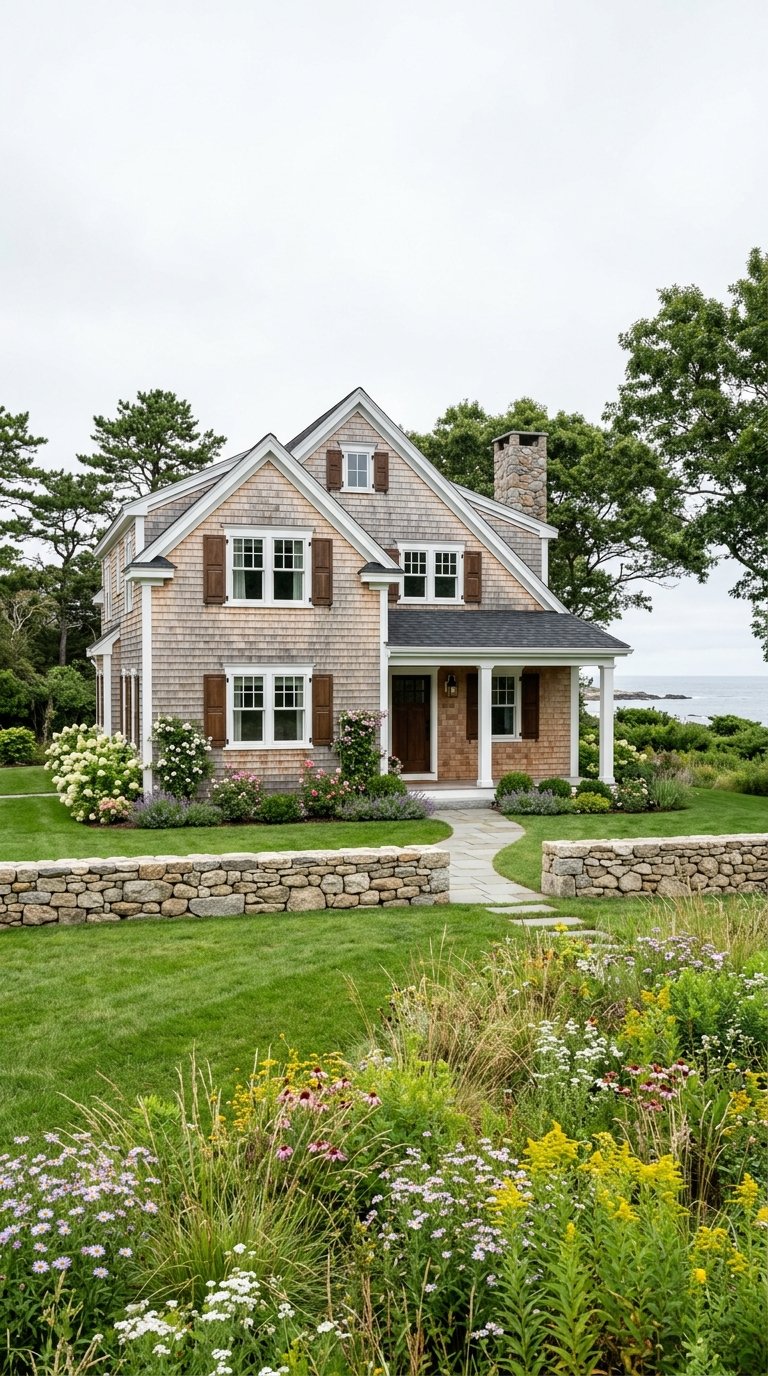
Little Compton stands apart from the typical remote-work destination. Discover Newport describes it as a peninsula between the Sakonnet River and the Atlantic Ocean, and the town carries a distinctly coastal, village-like rhythm. The Little Compton Historical Society identifies the Commons as the long-standing civic center, which helps explain why the town feels grounded rather than suburban.
This is also a small community by design and scale. The Census Bureau profile lists 3,616 residents and a median household income of $134,750. For many remote professionals, that smaller scale is part of the draw, especially if you want privacy, open land, and a more intentional pace.
A seasonal coastal rhythm
Little Compton is not a standard year-round commuter market. The town’s 2024 hazard plan reports that 48.1% of residents are age 60 or older, and 35.9% are 65 or older. It also notes that the population roughly doubles in summer, which gives the town a noticeably seasonal pattern.
That seasonal character shapes how the town feels from month to month. Summer brings more activity, while the off-season tends to feel quieter and more residential. If you work from home, that can be a real benefit if you value calm, space, and fewer daily distractions.
Housing options for home offices
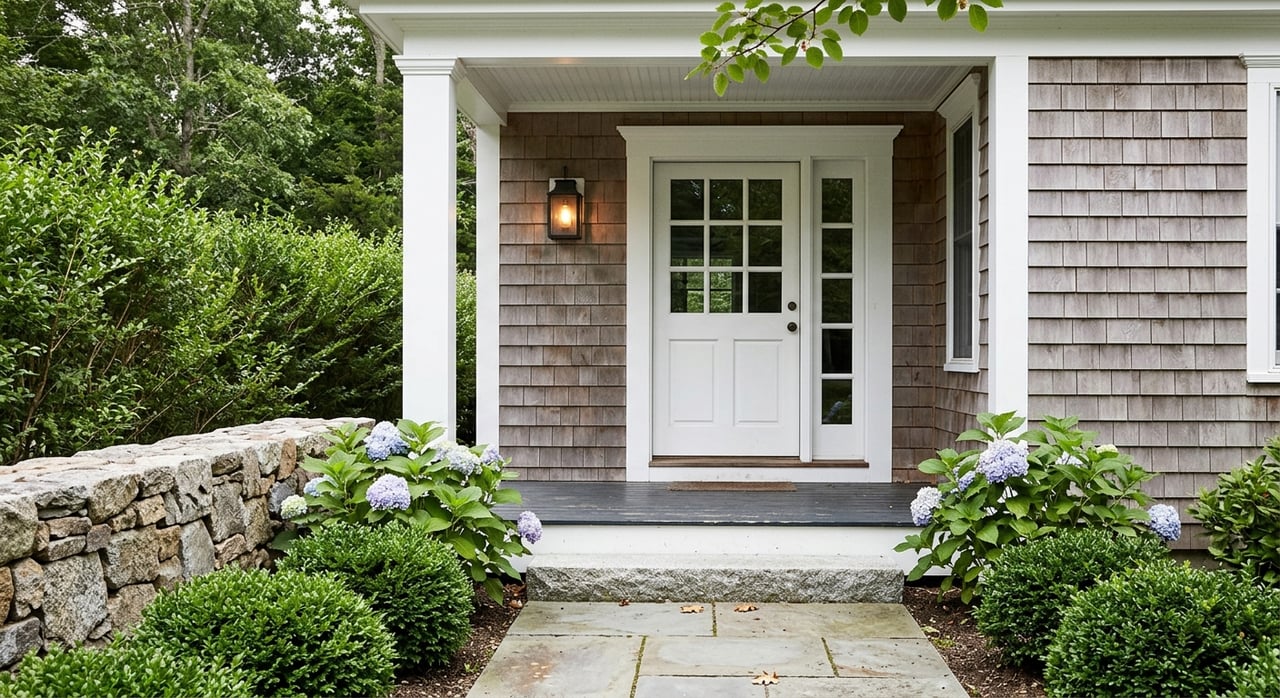
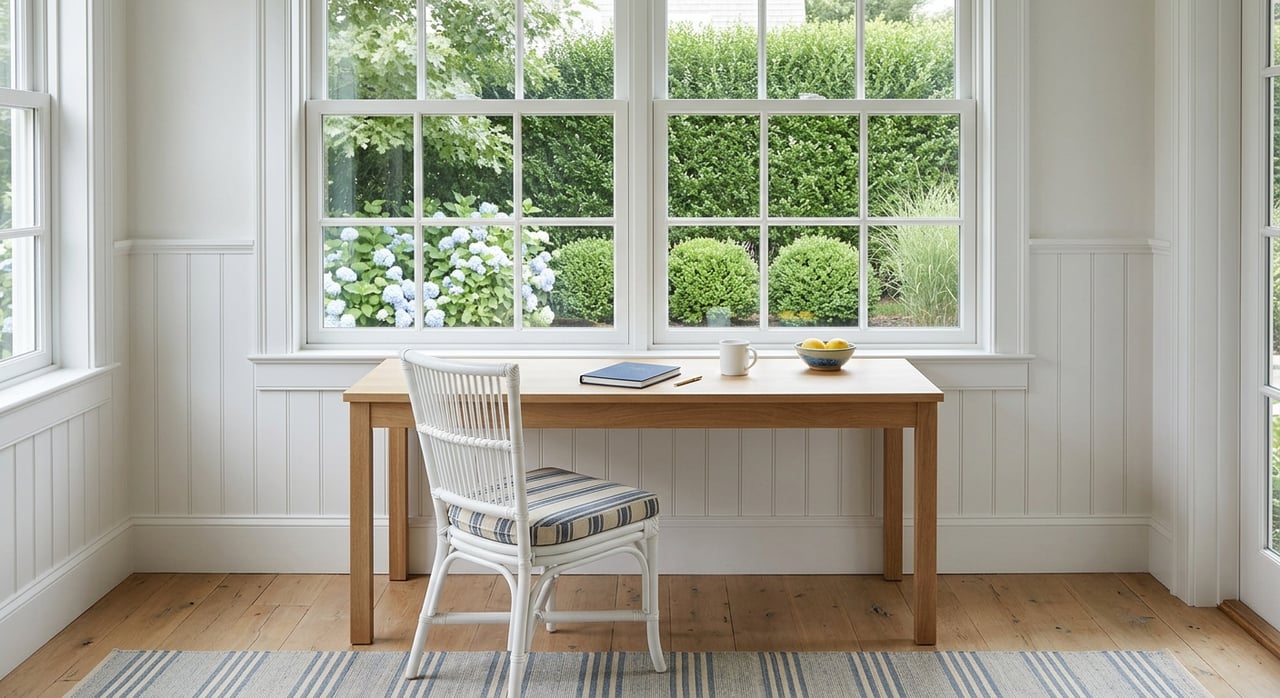
For remote professionals, the housing mix matters. Little Compton’s comprehensive plan describes single-family homes that range from historic farmhouses and seasonal cottages to newer homes on large lots. In practice, that means you may find everything from a library-like office in an older residence to a newer layout with flexible bonus rooms or detached work space.
The flip side is that not every charming house is move-in ready for modern work needs. The hazard plan reports 2,506 housing units, with about 60.1% occupied and 87.5% owner-occupied. It also says 46.4% of homes were built before 1960 and 24.7% before 1940, so age and condition are important parts of the conversation.
What older homes may require
Older coastal homes often offer character, privacy, and room for a dedicated office or guest suite. They may also require closer review before you count on seamless day-to-day remote work. Insulation, heating, electrical capacity, internet entry points, and storm resilience all deserve careful attention.
That does not make older homes a drawback. It simply means your search should be practical as well as aspirational. In Little Compton, the most satisfying purchase is often the one where beauty, function, and property condition align.
Zoning matters for flexibility
Little Compton’s zoning code is especially relevant if you plan to work from home. The Residence district allows customary home occupations, and the code also permits certain accessory business living quarters and accessory dwelling units under specified conditions. That can be useful if you are looking for a home with a studio, overflow guest space, or a more flexible property layout.
Still, flexibility has limits, and you should review them early. The code states that accessory dwelling units cannot be used as short-term rentals, and short-term rentals of 30 nights or less must be registered with the town. If part of your buying strategy includes occasional rental income, those rules need to be understood before you make assumptions about a property.
Connectivity needs address checks
If you work remotely, broadband is one of the first things to verify. In Little Compton, that check should happen by exact address, not by town name alone. The FCC explains that its National Broadband Map is location-specific and reflects provider-reported availability, while also noting that availability is not the same as actual performance or affordability.
That distinction matters in a low-density coastal town. One road may offer a workable setup for video calls and cloud-based work, while another may require a closer look. The town’s 2018 comprehensive plan even set a goal to enhance telecommunications infrastructure, which signals that connectivity is a recognized planning issue rather than something to assume.
Commuting is mostly car-first
Little Compton works best for people who are truly remote or only commute occasionally. The town’s comprehensive plan says there is no bus route, rail service, or airport within town. Its road network includes state, local, and private roads, which reinforces the reality that daily life here is largely car-based.
RIPTA’s local community page points residents toward taxi providers, medical transportation, vanpool resources, and other transportation options. Those services can help fill gaps, but they do not create the kind of fixed-route transit system you would expect in a dense commuter market.
Regional rail is outside town
If you need occasional access to Providence or Boston, regional rail exists outside Little Compton. RIDOT says Amtrak serves Providence, Kingston, and Westerly in Rhode Island, and Kingston is part of the rail network that connects to Boston’s South Station. That makes rail a useful regional tool, just not an in-town daily convenience.
For many hybrid professionals, that means setting expectations clearly. Little Compton is best understood as a car-first home base with occasional regional connections, not as a transit-oriented commuter suburb.
Daily life beyond the desk
The appeal of remote work in Little Compton is not just where you work. It is how the rest of the day feels. The Nature Conservancy highlights Goosewing and South Shore for long Atlantic beach walks, and Little Compton residents are eligible for a town beach sticker.
That access can shape your schedule in a meaningful way. A beach walk before calls, a midday break with open sky, or a quiet drive past fields and stone walls can become part of your routine. For many buyers, those simple patterns are the real luxury.
The Commons and local rhythm
Community life here has a clear center. The Brownell Library, the Little Compton Historical Society, and the Commons all help anchor daily life. Because the Commons has served as the town’s center of activity for centuries, the town often feels more like a village than a suburb.
That texture matters if you want your home base to feel distinct and connected to place. Little Compton does not try to manufacture lifestyle. It offers a long-established one, shaped by coastline, agriculture, and civic continuity.
Everyday stops for remote workers
A workable remote-work town needs small daily anchors, not just scenic views. Discover Newport points to places like The Barn, Commons Lunch, A-1 Pizza, Art Cafe, and Sakonnet Vineyard as easy local stops. These are the kinds of places that can break up a workday without turning it into a production.
The local farm landscape adds another layer to that routine. Young Family Farm and Wishing Stone Farm contribute to the town’s Farm Coast identity through produce, flowers, and seasonal food culture. If you value a place where errands and leisure still feel local, that texture is part of the equation.
Open land shapes the lifestyle
Little Compton’s preserved character is not accidental. The town’s comprehensive plan notes more than 3,470 acres in the state Farm, Forest and Open Space Program. That preserved land base helps maintain the farm-and-coast setting that many remote buyers are looking for.
It also reinforces why the town feels visually calm and low-density. If your ideal work environment includes fewer rooftops, more horizon lines, and a stronger sense of land and water, Little Compton offers that in a way many coastal markets no longer do.
Tradeoffs to weigh honestly
Little Compton can be an excellent remote-work base, but it is not effortless in the way some buyers first imagine. Seasonal population swings, older housing stock, and address-specific connectivity all require more planning. The same is true if you are considering a guest suite, accessory space, or any kind of short-term rental strategy.
The best fit is usually someone who values privacy, preservation, and daily coastal access enough to accept a few practical realities. If that sounds like you, the town can reward you with a lifestyle that feels both grounded and rare.
Is Little Compton right for you?
Little Compton is strongest for remote professionals who want a place-based coastal life rather than a convenience-driven suburb. It suits buyers who can work from home, manage a mostly car-first routine, and appreciate that older or more complex properties may require closer due diligence. In return, you get a deeply local setting shaped by open land, village character, and the Atlantic edge.
If you are considering a move here, the details matter. A home’s office layout, utility profile, zoning, and exact internet availability can shape your experience just as much as the view. For a thoughtful search in Little Compton and the Farm Coast, schedule a private consultation with Cherry Arnold.
FAQs
Is Little Compton a good place for remote professionals?
- Yes, Little Compton can work very well for remote professionals who value privacy, preserved land, and coastal daily life, especially if they are comfortable with a car-first routine and address-specific broadband checks.
What types of homes can remote buyers find in Little Compton?
- Little Compton offers single-family homes ranging from historic farmhouses and seasonal cottages to newer homes on large lots, with varying levels of office-ready space and renovation needs.
Does Little Compton have public transit for commuters?
- No, the town’s comprehensive plan says there is no bus route, rail service, or airport within town, so most residents rely on driving for everyday transportation.
Can you use an ADU or guest space for rental income in Little Compton?
- Town rules allow certain accessory dwelling units under specified conditions, but ADUs cannot be used as short-term rentals, and short-term rentals of 30 nights or less must be registered with the town.
How should buyers check internet service in Little Compton?
- Buyers should verify broadband by exact property address because availability can vary by location, and reported availability does not necessarily reflect actual performance or affordability.
What makes Little Compton feel different from other coastal towns?
- Little Compton stands out for its village-centered Commons, preserved farm-and-coast landscape, seasonal rhythm, and small-town setting between the Sakonnet River and the Atlantic Ocean.