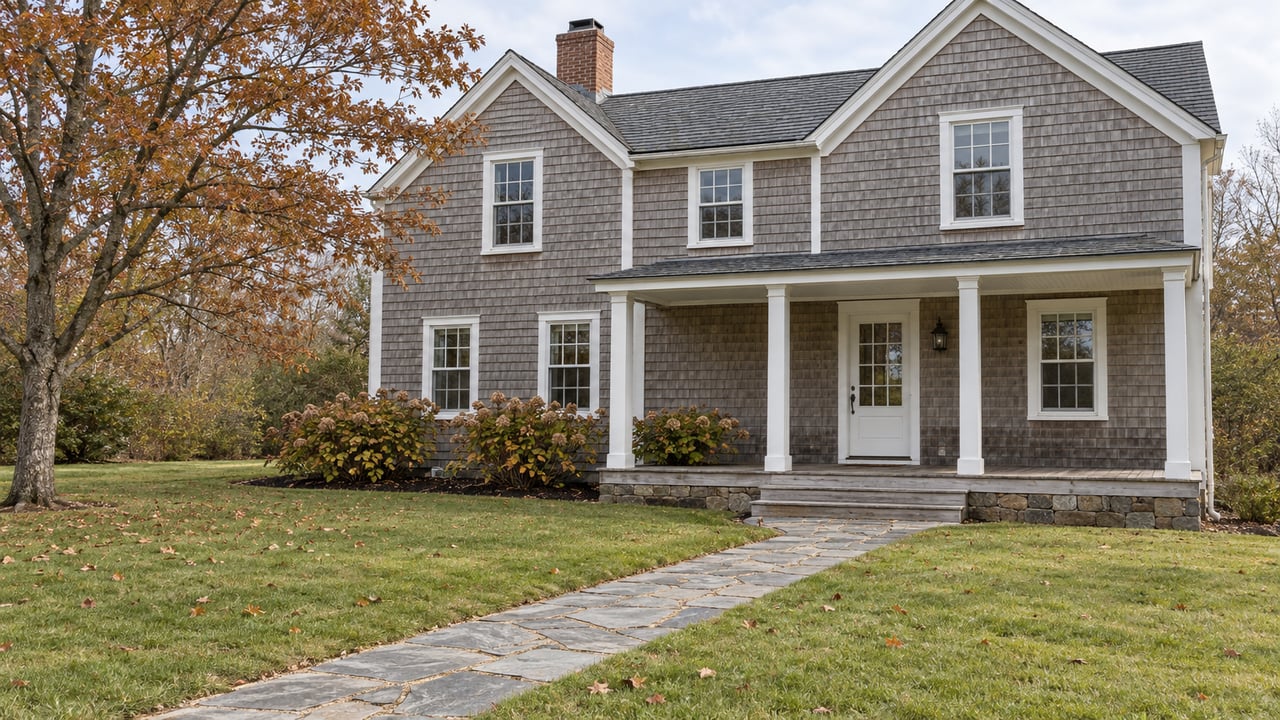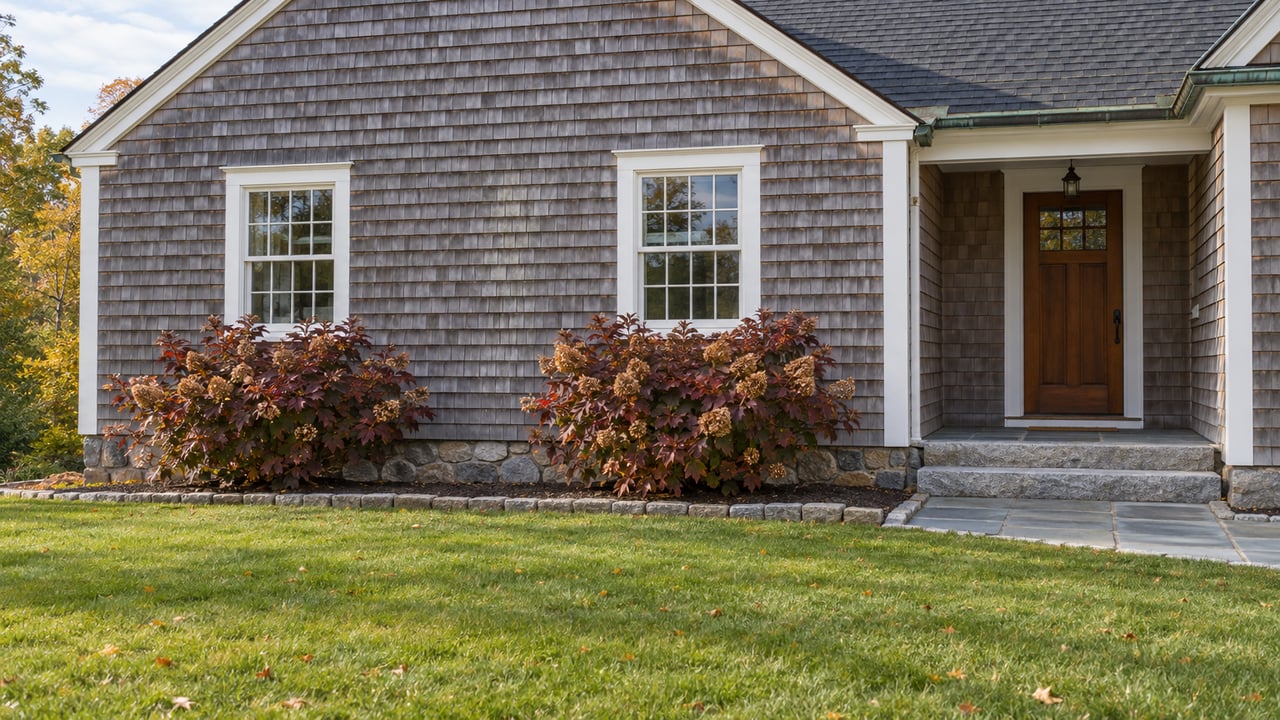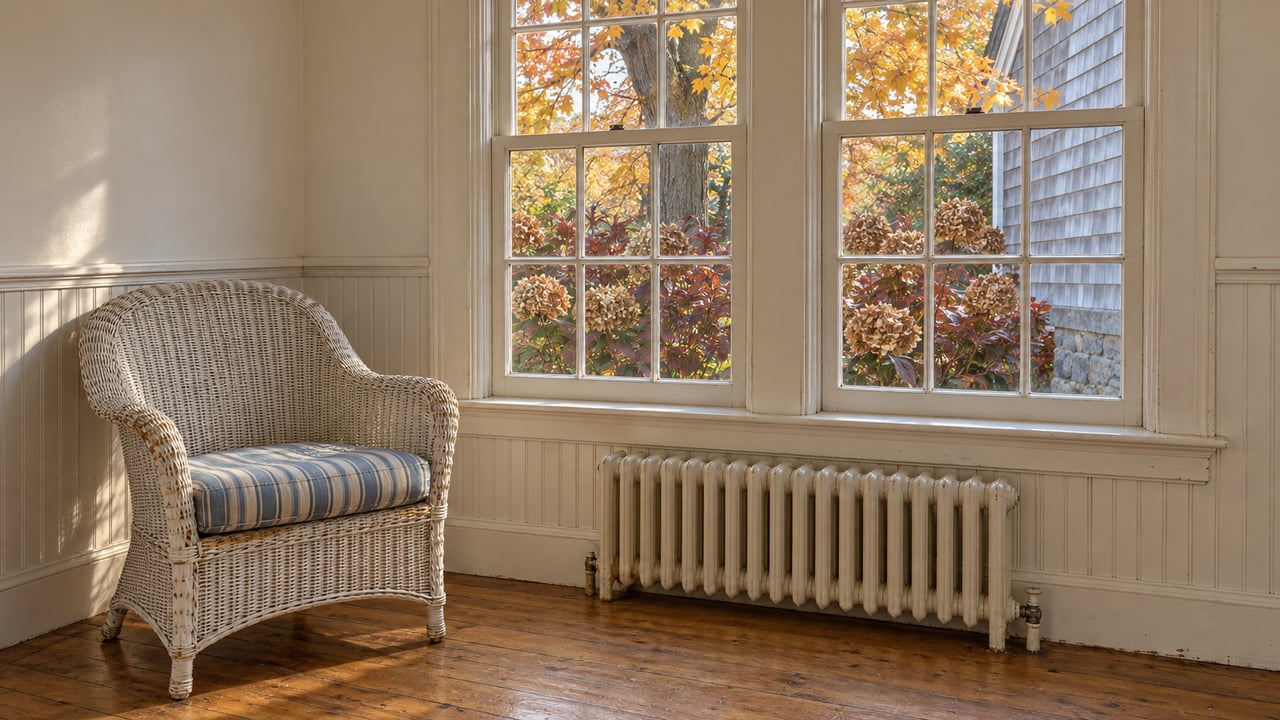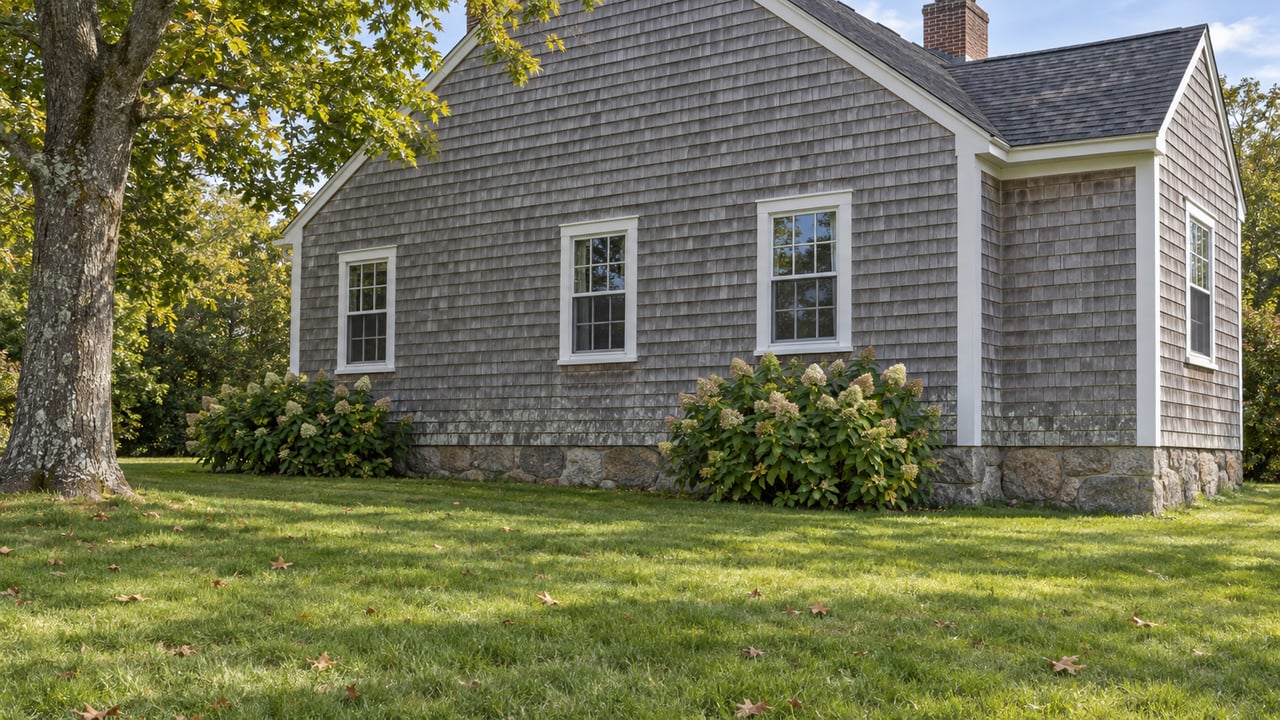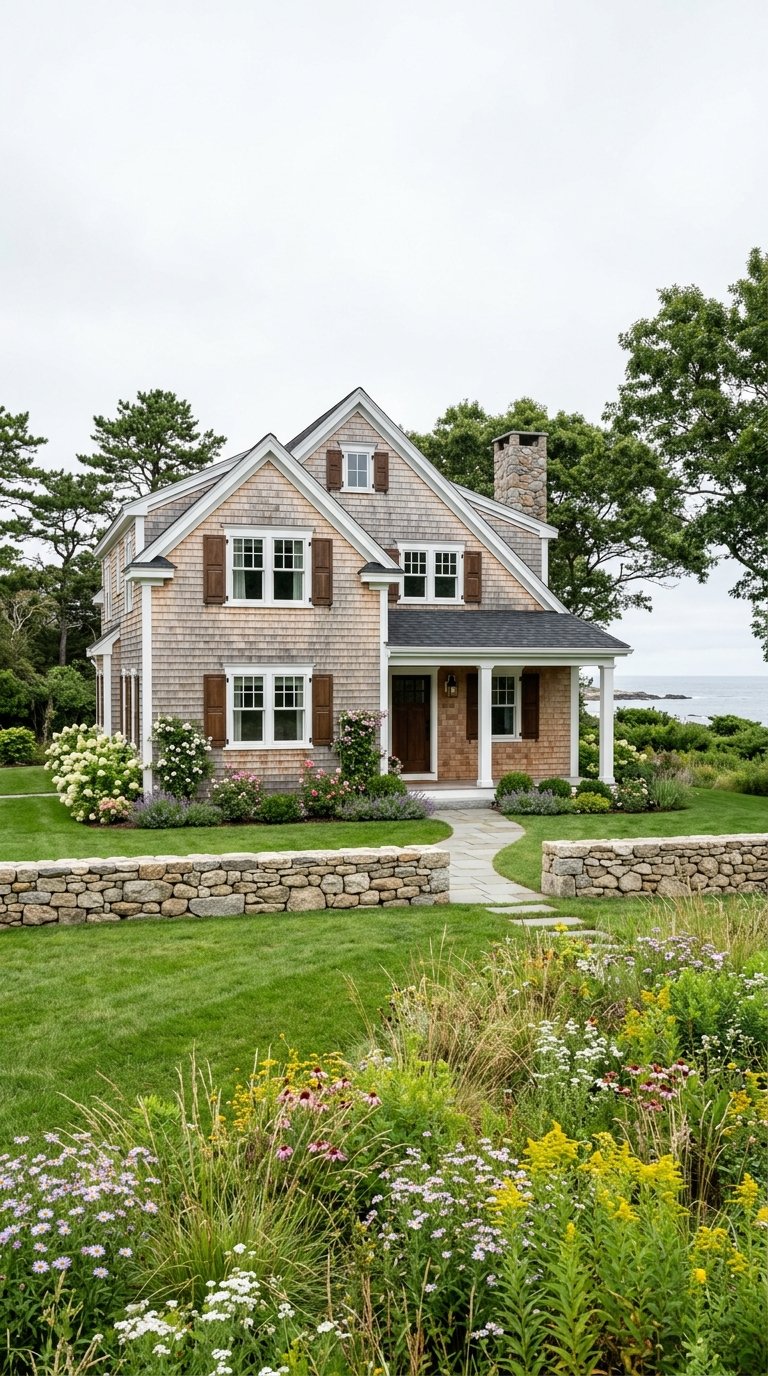
If you are drawn to Little Compton for its open fields, salt air, and long rural views, it helps to know that those qualities are not accidental. They are shaped by a strong local conservation framework that can affect what you buy, what you can do with it, and what is likely to stay the same around you. If you are considering a home, farm, or land purchase here, understanding that framework can help you make a more confident decision. Let’s dive in.
Why conservation matters in Little Compton
Little Compton has made land conservation a clear local priority. In its state-approved comprehensive plan, the town identifies goals that include protecting freshwater and drinking-water resources, scenic viewsheds and landscapes, wetlands, prime or important soils, greenway connections, public shore access, and salt marsh migration.
For you as a buyer, that means the landscape is guided by long-term planning, not just individual property decisions. The result is part of what makes Little Compton feel distinct, but it also means property rights, future changes, and land use should be reviewed carefully before you buy.
The local conservation system
A major part of Little Compton’s conservation landscape comes from local and regional land protection organizations. The Little Compton Agricultural Conservancy Trust, or LCACT, says its mission is to preserve the town’s agricultural ecosystem, rural character, and natural attributes while protecting working farms, open space, habitat, groundwater recharge, and public recreation.
LCACT reports that it has conserved more than 2,362 acres. The Sakonnet Preservation Association reports more than 467 acres conserved since 1972. Together, those numbers show how deeply conservation is woven into the town’s land pattern.
Conservation does not always mean unused land
One common misconception is that conserved land is simply set aside and left untouched. In Little Compton, some preserved land remains actively farmed.
LCACT says its primary purpose is to help farmers keep their land by buying development rights. It also reports that it leases about 163 acres of fee-owned agricultural land to farmers, which shows that conservation here often supports continued agricultural use rather than ending it.
More than one tool protects the landscape
Little Compton’s preservation approach is not limited to one organization or one legal mechanism. According to the town’s comprehensive plan, the town uses conservation easements and historic preservation easements together to protect land, landscape, and historic character.
That matters because two nearby properties may look similar but be subject to very different restrictions. One parcel may be protected for farmland use, while another may carry historic preservation obligations tied to a house, barn, or surrounding setting.
What buyers should know about restrictions
In Little Compton, restrictions can be a central part of a property’s value and its limits. Before you fall in love with a field, a view, or a historic outbuilding, it is important to understand what is actually recorded against the property.
Farmland preservation restrictions
For farmland that has sold development rights through Rhode Island’s Farmland Preservation Program, the limits can be substantial. The Rhode Island Department of Environmental Management explains that the state buys development rights so the owner can keep the land and continue agricultural use while giving up future development value.
Those recorded deed restrictions stay with the land when it is sold again. DEM says the program’s standard restrictions include no development or subdivision, no trash dumping, no excavating, and no use other than agriculture.
If you are buying a preserved farm or acreage, that can directly affect future plans. Expansion, subdivision, or changing the use of the land may not be available options.
Historic preservation easements
Historic preservation easements create a different kind of obligation. The Rhode Island Historical Preservation & Heritage Commission says a preservation easement is a legal agreement that keeps a historic property’s character from being altered without commission approval.
You still retain use of the property and remain responsible for maintenance. The commission also notes that easements can protect exteriors, interiors, and surrounding land, so the scope of the restriction can vary from one property to another.
Zoning and site conditions shape what is possible
Conservation is only part of the picture. Zoning and site conditions also play a major role in what you can build, expand, or change.
Little Compton’s comprehensive plan says more than 90% of the town is in the Residence District, where the minimum lot area is two acres. The same plan states that agricultural development is allowed in that district, while business uses are concentrated in the traditional village centers.
No public water or sewer
One of the most important facts for buyers is that Little Compton has no public water or sewer system. According to the town’s comprehensive plan, lot suitability depends heavily on soils, potable water supply, and onsite wastewater capacity.
In practical terms, that means private wells, septic considerations, drainage, and wetlands are not minor details. They are core parts of whether a property fits your needs now and in the future.
Wetlands and groundwater matter
LCACT notes that preserving land and protecting groundwater often go hand in hand because farm properties are rarely all upland. Significant portions may be wet or forested.
For you, that means a parcel’s beauty may come with practical limits. A broad meadow, a wooded edge, or low-lying ground can affect where building, clearing, or expansion may be possible.
Why surrounding land matters as much as the house
In many markets, buyers focus mainly on the residence itself. In Little Compton, what surrounds the property can be just as important to your long-term enjoyment and expectations.
The town explicitly prioritizes scenic viewsheds and landscapes, and its preservation policy ties together land conservation, historic structures, and rural character. That means your ownership experience may be shaped by neighboring farmland, open space, wetlands, and preserved landscapes as much as by your own lot lines.
The appeal of permanence
For many buyers, this is part of Little Compton’s greatest appeal. Conserved land and strong planning priorities can help preserve open views, working farms, and a predictable rural setting while reducing the chance of adjacent high-intensity development.
The tradeoff is flexibility. In this market, the value proposition is often preservation and permanence rather than maximum redevelopment potential.
Preserved land is not always public land
Another important point is that conserved land is not always open to the public. LCACT states that some conserved parcels are suitable for public recreation and others are not.
It also notes that hunting is allowed on some fee-owned properties only with written permission. If you assume neighboring conserved land functions like a park, you may misunderstand expectations around privacy, access, traffic, noise, or seasonal activity.
A practical due diligence checklist
In Little Compton, careful review is not just a formality. It is one of the most important parts of a smart purchase.
A prudent buyer should confirm whether a parcel is:
- Fee-owned by a conservation organization
- Subject to a conservation easement
- Subject to a historic preservation easement
- Located next to conserved land without being restricted itself
Records to review
LCACT says complete public records are available at Town Hall during business hours for its property documents, and its property pages link parcel-level records as a convenience. Even so, convenience is not the same as full legal review.
You should make sure the recorded deed, title materials, survey, and any restriction documents are reviewed closely. In a town where easements are common, that review can materially affect both the economics and the day-to-day experience of ownership.
Questions worth asking early
As you evaluate a property, keep your questions practical and specific. The right answers can shape whether the home is a simple fit or a more complex stewardship decision.
Consider asking:
- What restrictions are recorded against the property?
- Who holds the easement, if there is one?
- Can the property be expanded, subdivided, or cleared?
- Are there wetlands, drainage, well, or septic constraints?
- How do zoning rules interact with the recorded restrictions?
- Is neighboring preserved land private, active agricultural land, or open for limited recreation?
Buying with the right expectations
Little Compton’s conservation landscape is a large part of what gives the town its lasting beauty and sense of continuity. For many buyers, that is exactly the point. You are not just buying a house. You are buying into a place where scenery, farmland, groundwater, and historic character are treated as assets worth protecting.
That can be deeply rewarding, especially if you value stewardship and a setting that is likely to remain visually and functionally consistent over time. It also means the wisest buyers approach each property with patience, strong document review, and a clear understanding of how the land works.
If you are considering a purchase in Little Compton and want thoughtful guidance on preserved land, historic assets, or complex coastal and farm-coast properties, schedule a private consultation with Cherry Arnold.
FAQs
What does conservation mean for a homebuyer in Little Compton?
- Conservation in Little Compton can affect how land is used, whether it can be subdivided or expanded, and what may remain unchanged around the property over time.
What is the Little Compton Agricultural Conservancy Trust?
- LCACT is a local conservation organization focused on preserving Little Compton’s agricultural ecosystem, rural character, natural attributes, working farms, open space, habitat, groundwater recharge, and some recreation land.
Can you build on preserved farmland in Little Compton?
- If farmland has sold development rights through Rhode Island’s Farmland Preservation Program, DEM says standard restrictions include no development or subdivision and no use other than agriculture.
Are all conserved properties in Little Compton open to the public?
- No. LCACT states that some conserved parcels are suitable for public recreation and others are not, so access should always be verified.
Why are wells and septic systems important in Little Compton real estate?
- Little Compton has no public water or sewer system, so the town says lot suitability depends heavily on soils, potable water supply, and onsite wastewater capacity.
What due diligence should buyers do on conserved property in Little Compton?
- Buyers should review title, survey, deed restrictions, easements, zoning, and site conditions, and confirm whether the parcel or nearby land is subject to conservation or historic preservation restrictions.