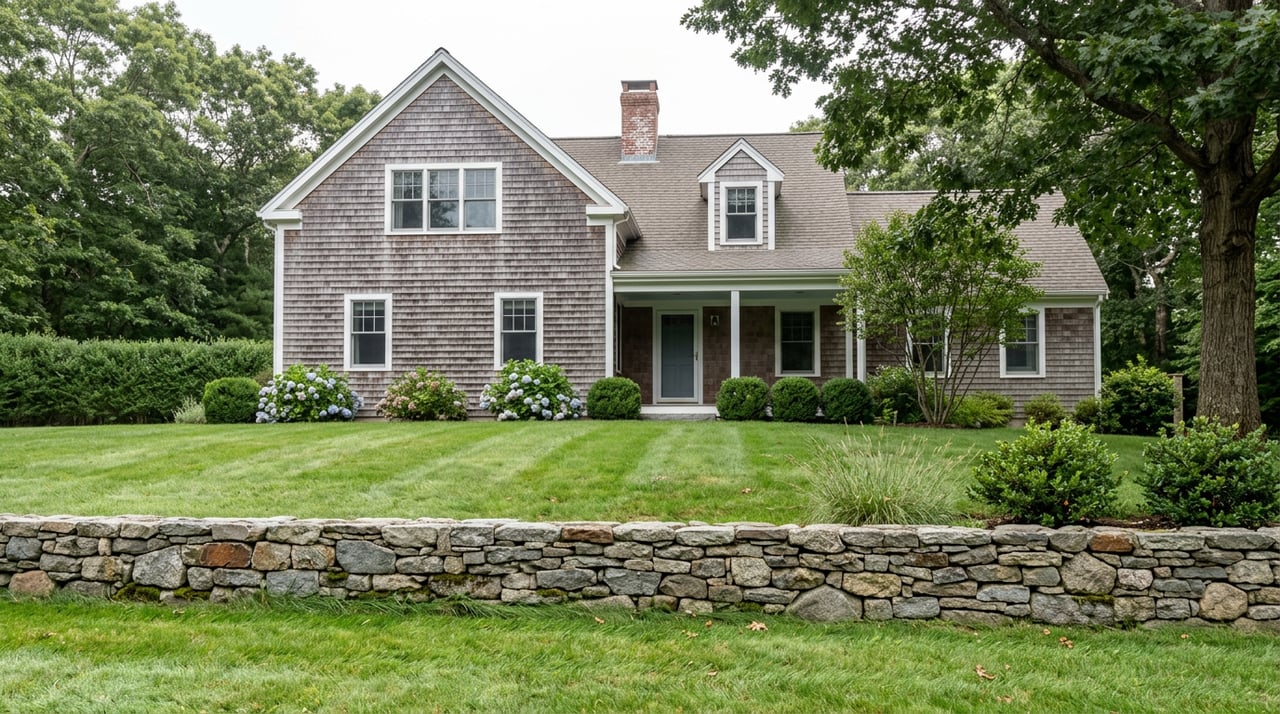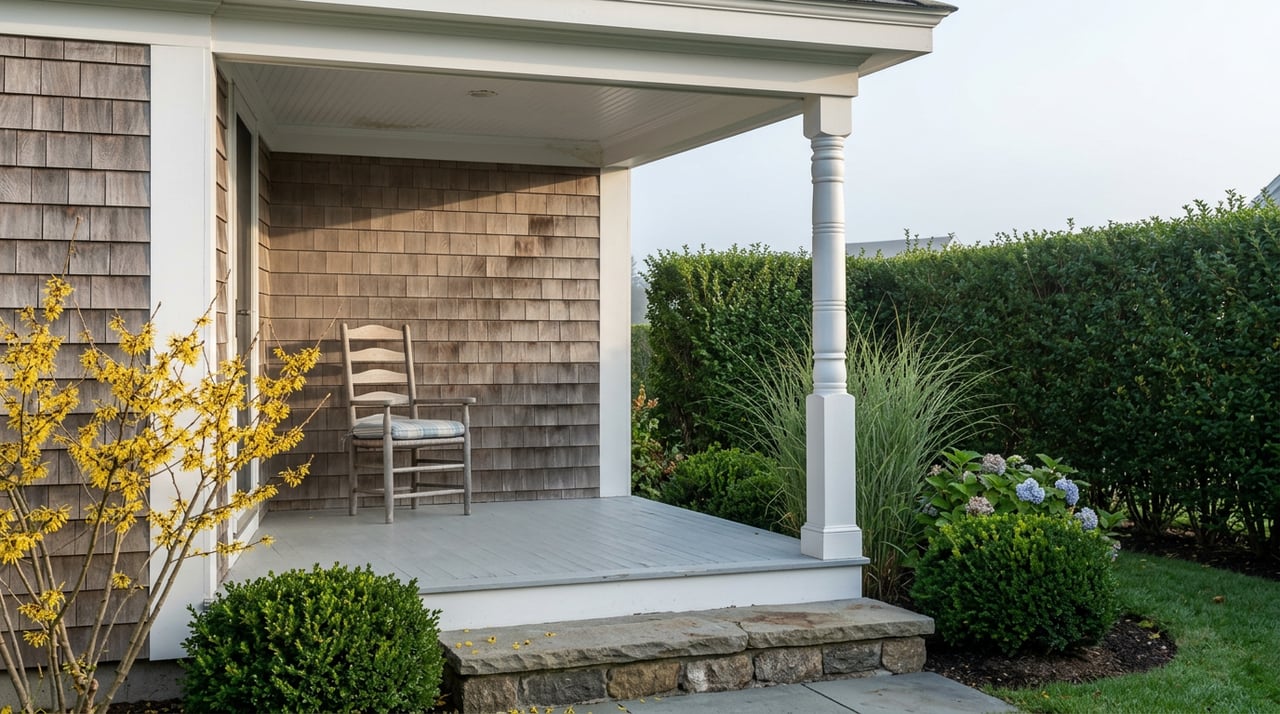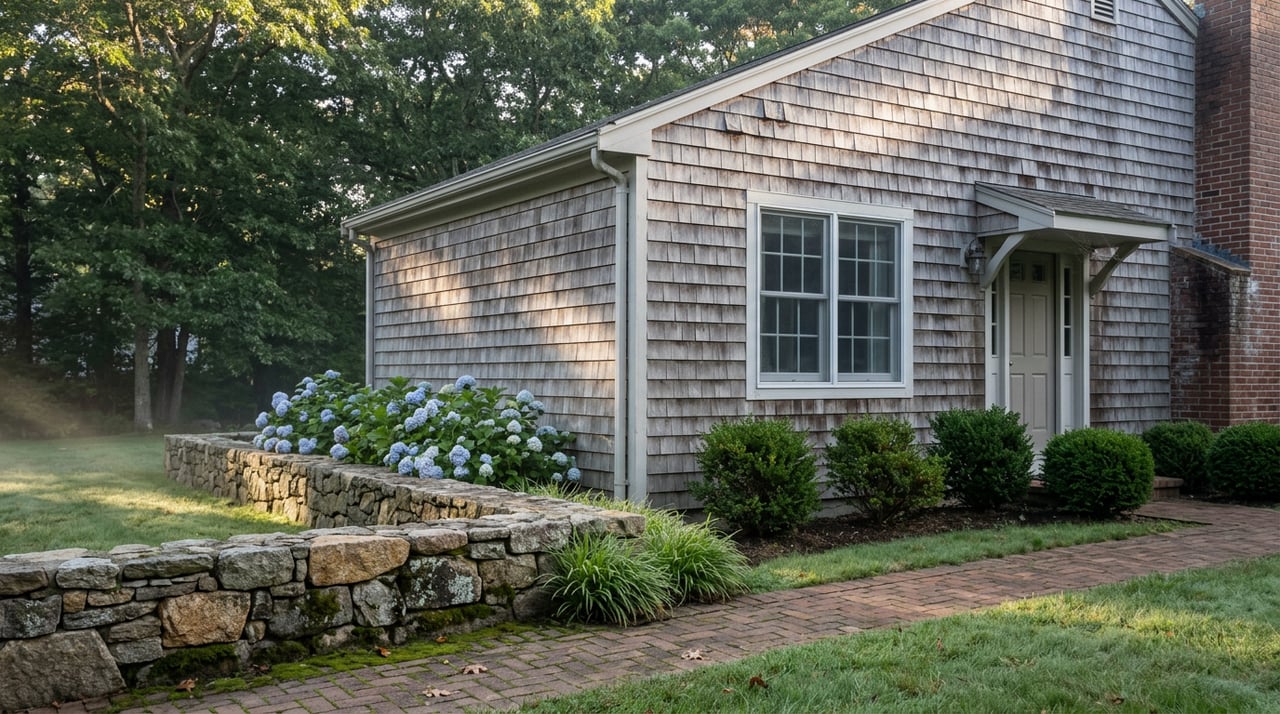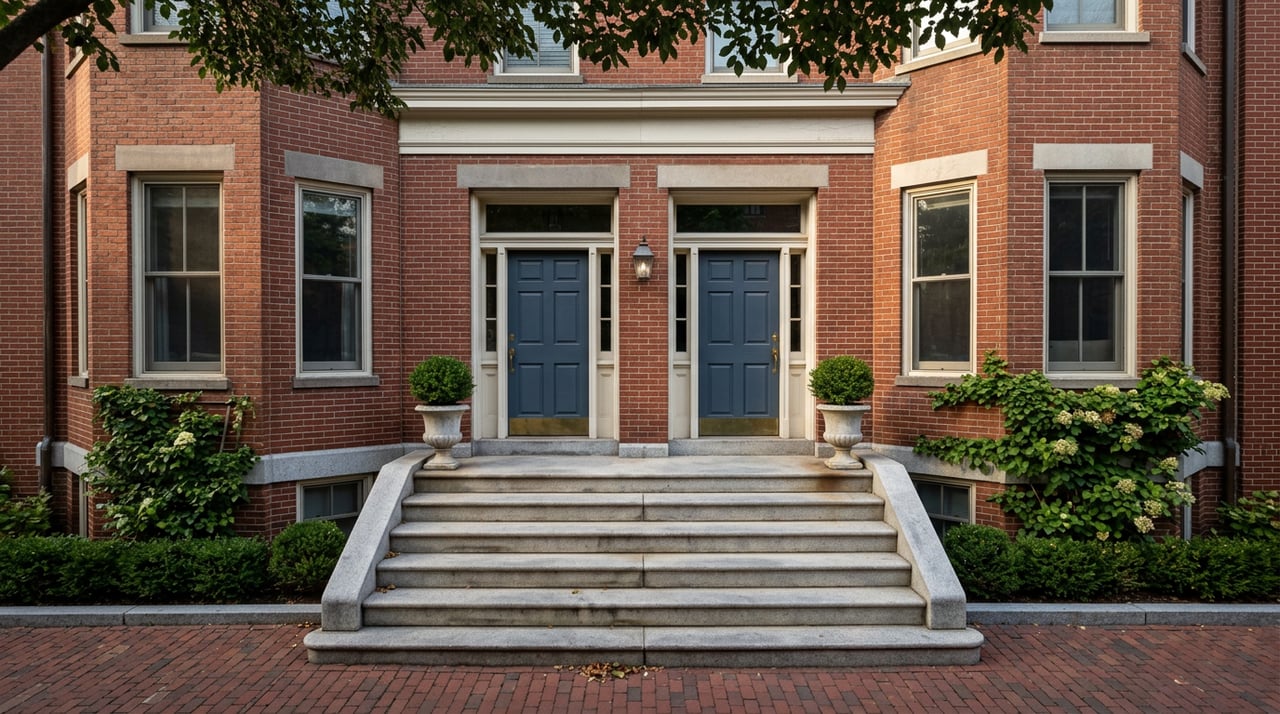
Two homes changed hands on Providence's East Side within a few months of each other in 2026. One, a brick colonial along Blackstone Boulevard with roughly 5,000 square feet on a fifth of an acre, sold for $2.9 million. Another, a mile or so away in Mount Hope, would have closed in the same window for somewhere closer to half a million dollars, according to that neighborhood's tracked home values. Both addresses carry the same "East Side" label on a listing sheet. Neither price would surprise anyone who actually walks both streets. But a buyer working from the headline number alone, the one that gets quoted in almost every market recap, would have no way to see this coming.
That headline number is the "East Side premium," and as of spring 2026 it was being reported at roughly 20 percent above the Providence citywide median. It's accurate. It's also close to useless for anyone trying to figure out what their budget actually buys, because the East Side isn't one market wearing a fancy name. It's five or six of them, stitched together by a real estate label and very little else.
The Number Everyone Quotes First
By March 2026, Providence's citywide median sale price stood at $645,000, while the East Side as a whole posted a median of $770,000, a gap that local brokerages have tracked as holding steady for roughly five years. That $770,000 figure is the one that shows up in market recaps, agent newsletters, and relocation guides. It's technically correct and almost entirely unhelpful on its own, because "the East Side" in that sentence means College Hill, Fox Point, Blackstone, Wayland, Hope, and Mount Hope, six neighborhoods with different housing stock, different lot sizes, and, it turns out, different price tiers entirely.
Citywide momentum backs up the broader story. Over the three months ending in May 2026, Providence's median sale price ran $580,000, up 7.3 percent year over year, with the typical home selling in about 32 days. The market is not slowing down. But knowing the city is competitive tells you nothing about whether a given East Side budget clears Mount Hope or gets outbid three times over in College Hill.
What "East Side" Actually Contains
Pull the same March 2026 window apart by sub-neighborhood and the single premium splits into a real spread:
| Sub-neighborhood | Median sale price | Time period |
|---|---|---|
| College Hill | $930,000 | March 2026 |
| Wayland | $1,100,000 | March 2026 |
| Fox Point | $845,000 | March 2026 |
| Blackstone | $1,110,000 | August 2026 |
| Mount Hope | $434,383 (home value index) | June 2026 |
That last row is the one worth sitting with. Mount Hope's tracked home value index, a smoothed estimate of typical value rather than a raw median of closed sales, stood at $434,383 as of June 2026, less than half of College Hill's March 2026 figure and well under the citywide median. Mount Hope carries the East Side name. It does not carry the East Side price tag.
Blackstone, meanwhile, posted a median sale price of $1,110,000 as of August 2026, up 16 percent year over year, with sale prices across the neighborhood ranging from $725,000 to $4,895,000. That range alone tells you something the median can't: even within Blackstone, a buyer's outcome depends heavily on which block and which lot, not just which zip code.
Built Out, Not Built Alike
The mechanism behind the spread isn't mysterious once you look at it directly. The East Side is largely built out, meaning there's very little new construction to expand supply, which puts a structural ceiling on inventory across the whole area. Statewide, Rhode Island was carrying about two months of housing supply as of spring 2026, and on the East Side, where turnover is naturally slower and the housing stock older, that supply runs even tighter. Mortgage rates hovering in the mid-6 percent range through spring 2026 kept buyers measured but still active, particularly in the neighborhoods where options were scarcest.
What that scarcity doesn't do is apply evenly. College Hill's tight inventory sits on top of large, historic single-family homes near Benefit Street, the stretch of preserved colonial and federal-era architecture known locally as the Mile of History. Blackstone's inventory leans toward larger houses with a quieter, more residential feel along and near the boulevard itself. Wayland trades on walkability and family scale, balanced between the two. Mount Hope's housing stock is simply a different product: different lot sizes, different construction eras, different turnover patterns, and a price point that reflects it. The East Side premium is real. It's just an average of markets that were never going to trade at the same number in the first place.
You can see this in how fast homes move, too. Redfin's tracking puts the East Side's median time on market at 17 days, well ahead of the citywide pace, which ran closer to 26 to 32 days over the three months ending in May 2026. That speed gap is itself a symptom of the same structural story: less inventory turning over, more sustained demand from buyers, many relocating from Boston or New York, who are less sensitive to short-term rate swings and more focused on long-term value.
Hope Street Explains What the Median Can't
Numbers on a spreadsheet don't explain why a buyer would pay a premium to live near Hope Street's shops, cafes, and restaurants, or why the 1.6-mile walking path along Blackstone Boulevard, bordered by a 45-acre woodland conservation district, carries weight in a listing description beyond its acreage. They don't explain why India Point Park's 18 acres of waterfront green space anchor Fox Point's appeal even as its median sale price trails College Hill's by nearly $100,000. The geography is doing real work here. Proximity to Brown University and the Rhode Island School of Design pulls a specific, less rate-sensitive buyer profile toward College Hill and Wayland. Access to the boulevard's path and its tree canopy does something similar for Blackstone. Mount Hope, further from those specific anchors, draws a different buyer entirely, one for whom "East Side" location still matters, just not at East Side prices.
Three Sales, Three Different Logics
The top end of the market makes the same point with more drama. Reported in April 2026, a home at 540 Blackstone Blvd. sold for $2.9 million, a three-bedroom, 5,049-square-foot property on a 0.23-acre lot set directly along the boulevard, one of the East Side's most sought-after residential stretches. The price there is largely a boulevard premium: the address itself does a share of the work.
A different logic drove the sale of 201 Arlington Ave., a Federal-style brick residence built in 1911 that closed for $2.65 million, reported in March 2026 as the second-highest residential sale in the city so far that year. Marketed by Mott & Chace Sotheby's International Realty, the home had been reworked by designer Michael Booth, who preserved its historic character while layering in European antiques and fine fabrics, and it sits near Blackstone Boulevard and the shops and restaurants of the Hope Village area. That premium is about pedigree and restoration, not just location.
By June 2026, a Spanish Revival at 612 Elmgrove Ave., built in 1930 and extensively renovated by the Providence design firm Hill & Harbor, sold for $3.23 million, becoming the second-highest sale of the year at that point and eclipsing the Arlington sale as the year's rankings shifted with each new closing. That price reflects landscaped grounds built around what the selling firm described as Providence's oldest oak tree and a full reimagining of the home's kitchen and layout, a renovation premium layered onto College Hill's existing scarcity.
Three sales, three different reasons a number got that high. None of them would make sense if you tried to explain them with the single East Side median.
What This Means If You're Comparing Neighborhoods
If you're using the East Side premium to size up a budget, the honest move is to stop using it as a single number and start treating it as a starting menu. A buyer with $650,000 to $850,000 is realistically shopping Fox Point or Mount Hope, not College Hill or Wayland. A buyer at $1.1 million and above is in Blackstone or Wayland territory, competing against the East Side's tightest inventory and its most patient, least rate-sensitive buyers. And a buyer drawn to the East Side name but working with a citywide-scale budget should look hardest at Mount Hope, where the location carries real value without the premium attached to the boulevard addresses a few blocks away.
The spread isn't a flaw in the data. It's the data working correctly, once you stop asking it to describe six neighborhoods with one number.
A Few Questions Worth Asking Directly
Is Mount Hope actually considered part of the East Side? Yes. Local brokerages consistently group it with College Hill, Fox Point, Blackstone, Wayland, and Hope under the East Side umbrella. Its pricing, however, tracks far closer to the citywide median than to its East Side neighbors, which is exactly the gap this piece is built around.
Why do East Side homes sell faster than the rest of the city? Lower turnover and older, more constrained housing stock mean fewer listings come to market at any given time, and the East Side's buyer pool, often relocating from Boston or New York, tends to move with more urgency once the right property appears. That combination compresses days on market well below the citywide average.
Does the boulevard address itself carry a premium? The sale data suggests yes. Homes directly along Blackstone Boulevard have closed at prices well above the neighborhood's own median, reflecting the value buyers place on the corridor's walking path and its adjoining conservation land, separate from the size or condition of the house itself.
If you're comparing East Side neighborhoods against an actual budget rather than a headline figure, that's a conversation worth having before you start touring houses, not after. Cherry Arnold works this market block by block, not as a single average, and can walk you through which corner of the East Side actually fits what you're trying to do. Schedule a private consultation to start there.